How to Get Your Vehicle Ready for Spring

Winter is finally on the way out and that means spring is just around the corner. Your car has undergone a lot during the harsh winter months, so it’s smart to take a few steps now to get it ready for the season ahead.
Here are some tips to help prepare your car for spring:
1. Get a Tire Check and Wheel Alignment
Winter road conditions increase the risk of slips, skids, and impacts—including curbs, potholes, and icy ruts. Even minor contact can throw off your wheel alignment. Your tires also work overtime during colder months to maintain traction. Now is a good time to inspect for wear and consider a rotation or replacement.
Driving on worn tires or misaligned wheels compromises safety and performance. Since winter is especially hard on both, it’s best to check them before spring driving ramps up.
2. Replace Wiper Blades
Snow, salt, and frozen debris can take a toll on your wipers. Frozen blades or turning them on against ice can damage them quickly. You don’t want your first spring rainstorm to reveal that they barely move water. Replace them early, before visibility becomes an issue.
3. Service the Brakes
Winter puts a load on your brakes—frequent stops, sudden braking, and salt exposure all accelerate wear. Cold can also contribute to issues like rust jacking on pads and backing plates. Have Bovan’s Auto Services inspect your brake system for wear, damage, or corrosion before spring driving demands more from your system.
4. Check Oil, Fluids, and Filters
Cold temps thicken oil, reducing its effectiveness until the engine fully warms up. While synthetic oil helps, winter still affects engine oil, transmission fluid, coolant, brake fluid, and power steering fluid. Check your dipstick, but also let Bovan’s Auto Services inspect all fluids and filters to ensure they’re clean and at proper levels.
5. Check Your Cabin Air Filter
Spring pollen is coming. If you suffer from allergies, a clean cabin air filter can make a real difference. Filters typically last around 30,000 miles, so inspect or replace yours before the bloom hits. This keeps your HVAC system working efficiently and your cabin air clean.
Get your car ready for the season now. If you’re not sure what it needs, bring it to the certified technicians at Bovan’s Auto Services. We’ll help your vehicle recover from winter and prepare for spring driving.
Power Steering | Bovan's Auto Services
What is Power Steering?
Power steering is a feature that helps drivers turn their cars more easily by applying force to the steering wheel. The force applied to the steering system reduces the amount of effort needed by the driver when turning the wheel, making driving much easier and more comfortable. There are two types of power steering systems—hydraulic power-steering systems and electric power-steering systems.
Hydraulic Power Steering Systems
Hydraulic power-steering systems are powered by hydraulic fluid pressure generated in a pump driven by either an engine belt or an electric motor. These systems use a set of valves to control how much pressure is applied on the wheel when turning left or right, providing resistance against road forces and making it easier for drivers to maneuver their vehicles. The downside of this type of system is that they require maintenance, as they need regular power steering fluid changes and can be prone to leaks if not taken care of properly.
Electric Power Steering Systems
Electric power-steering systems are powered by an electric motor instead of hydraulics, making them much more efficient than traditional hydraulic systems. These systems also have built-in sensors that detect how much force needs to be applied when turning left or right, allowing them to provide just enough resistance without putting too much strain on the motor or draining battery life. Electric power-steering systems are also much lighter than hydraulic ones, which makes them ideal for cars with limited space under the hood.
Whatever you drive, having functional power steering is essential for safe driving conditions no matter where you go. If the pump fails, though, it’ll be noticeably harder to turn the steering wheel at lower speeds or when stopped, and you might hear some odd noises or notice a leak.
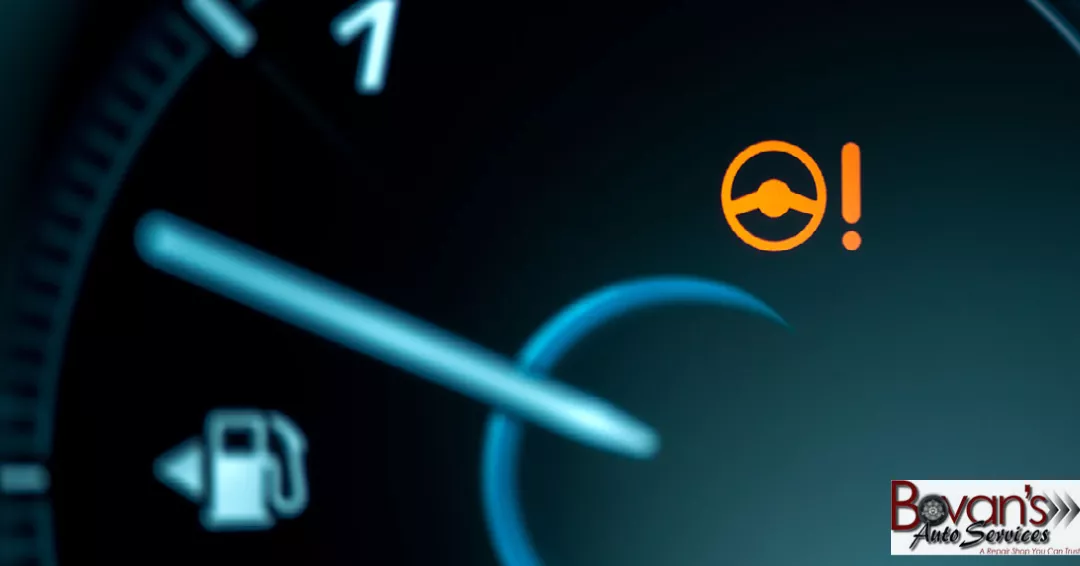
A Faulty Power Steering Pump Can Cause a Number of Problems
- Lack of power steering: This is the most obvious symptom, and when it happens, you’ll notice the steering wheel becomes very hard to turn. The problem is especially apparent when you’re stopped.
- Noise: Often, a faulty power steering pump will make a whining or groaning noise. This sound typically increases with engine RPMs, since the pump is driven by a belt. The noise will usually get louder when the wheel is turned.
- Fluid leaks: Power steering pumps, lines, hoses, and steering gears can develop leaks. These leaks can originate at the pump seals or from a crack in the pump housing or reservoir. If you notice a red or reddish-brown puddle under your car, don’t hesitate to call Bovan’s at 201-840-5133, schedule an online appointment, or stop by Bovan’s Auto Services at 619 Gorge Road, Cliffside Park, NJ.
01/20/2024Read more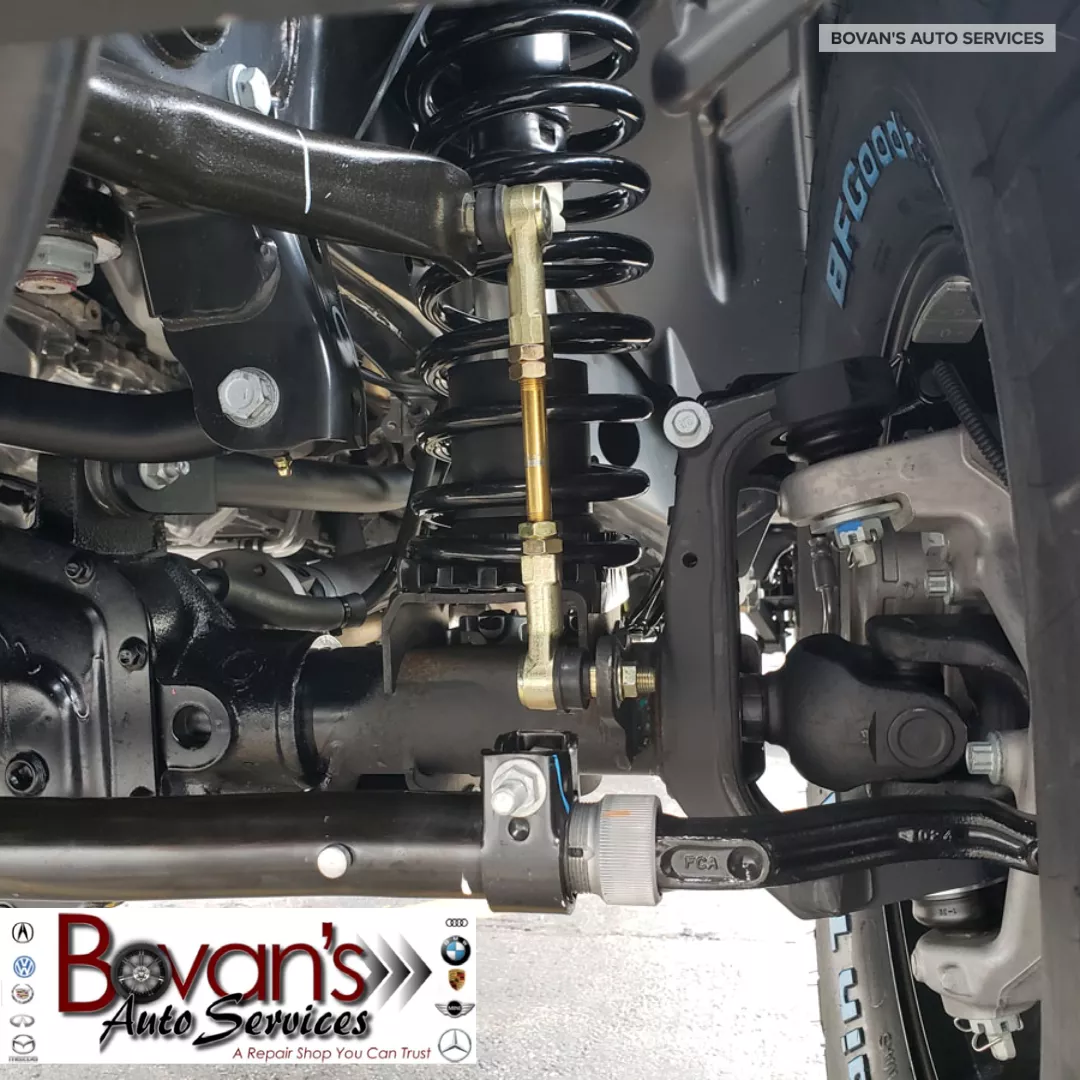
Vehicle Suspension: What Does It Do & How Can It Affect Your Ride? | Bovans Auto Services
Vehicle suspension is the system of components that connect a vehicle to its wheels. It helps keep the ride comfortable, but its main purpose is to keep the tires firmly planted on the ground for maximum traction, cornering ability, and braking capability. So what does this mean for you? Let’s dive into why vehicle suspension is so important and how it can affect your ride.
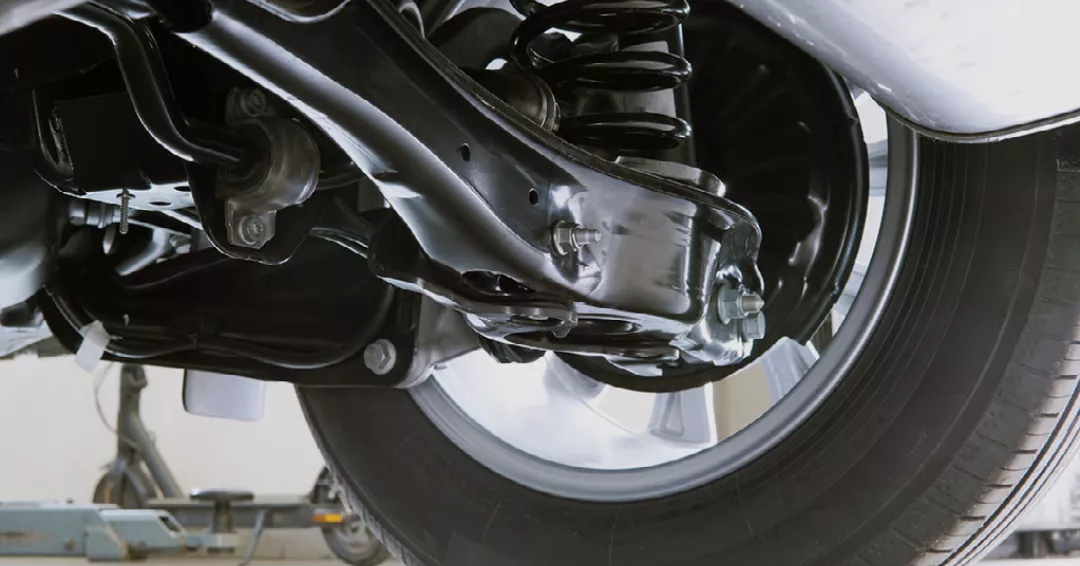
What Does Vehicle Suspension Do?
Vehicle suspension serves two major purposes. First, it helps keep the ride comfortable by absorbing shock from bumps in the road, potholes, or other irregularities. Second, it keeps your car’s tires in contact with the road surface to provide grip when cornering, accelerating, or braking. This means better handling and more control over your vehicle.
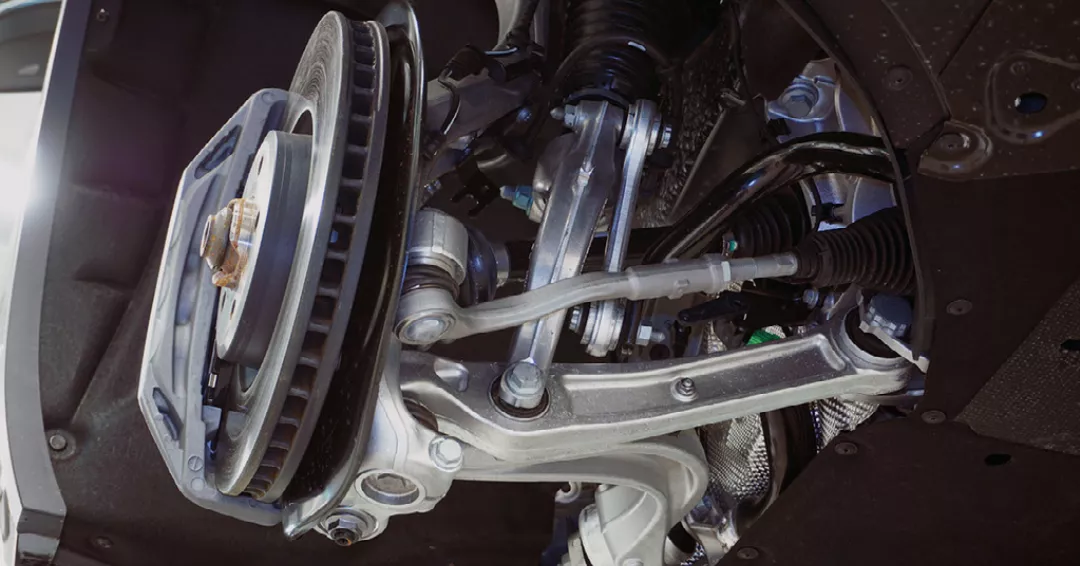
How Does It Work?
The most common type of vehicle suspension system uses a combination of springs (usually made from metal or rubber) and dampers (often referred to as shocks). The springs absorb shocks from bumps in the road while the dampers help control the bouncing effect that occurs when a spring compresses and rebounds quickly. Together, these components work to keep your car stable while driving over uneven surfaces.
However, there are other types of suspension systems available as well, such as air suspension systems which use air-filled bags instead of springs, active suspensions which use electronic sensors to adjust to changing conditions, and hydraulic suspensions which use liquid instead of air or gas to cushion against impacts. Ultimately, choosing the right type of suspension system depends on your budget as well as what type of driving you do most often.
Conclusion
Vehicle suspension plays an integral role in keeping your car safe and comfortable on the roads by providing grip and cushioning against impacts. It's important to understand how different types of suspensions work so that you can choose one that best fits your needs and budget. With proper maintenance and care for your vehicle's suspension system, you can ensure that your car will remain safe on even the roughest roads!
If you have any questions or need to replace your suspension, call us at 201-840-5133, schedule your online appointment, or stop by Bovan’s Auto Services at 619 Gorge Road, Cliffside Park, NJ.
01/12/2024Read more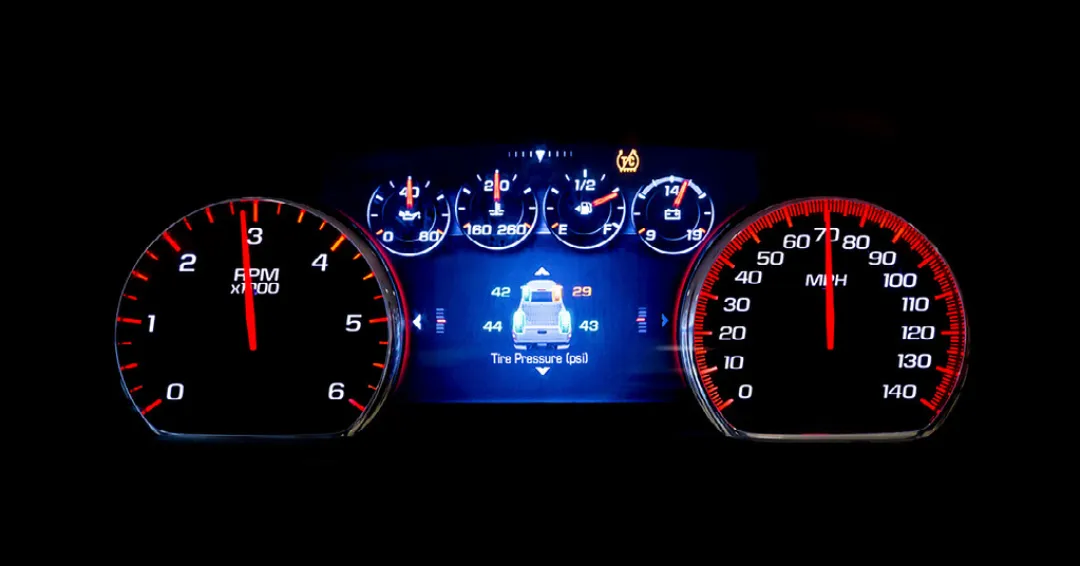
Understanding Your Dashboard Gauges – What Do They Mean
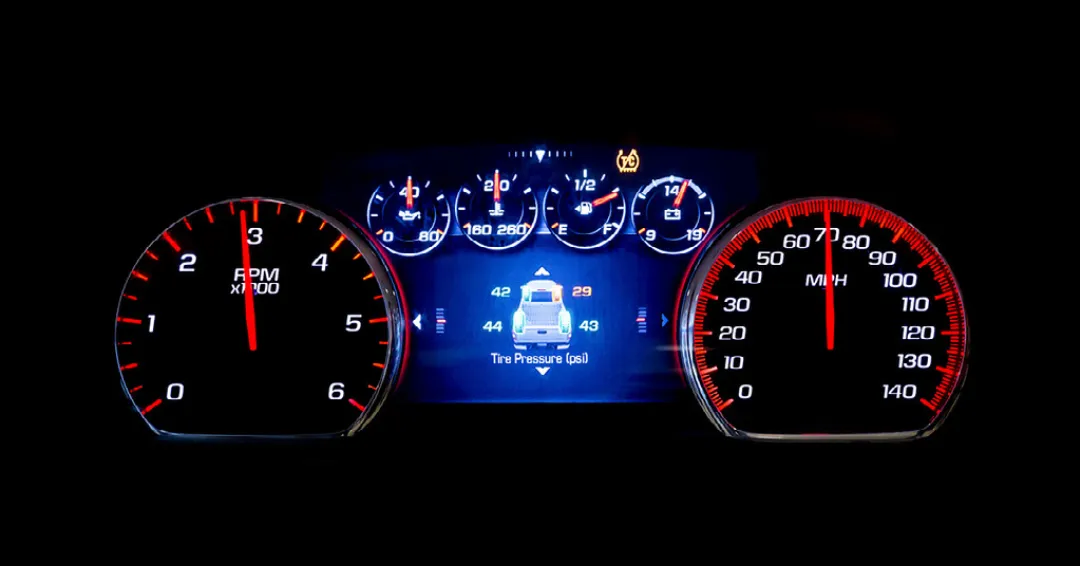
Every time we get into our car, we glance over at our dashboard. It’s the control center of our vehicle, and without it, we’d be clueless about what’s going on under the hood. But have you ever really taken the time to understand all the gauges and symbols on your dashboard?
In this blog post, we’ll break down each gauge, what it tells you, and why it matters. By understanding your dashboard gauges, you’ll be able to stay informed and stay safe on the road.
Speedometer
The speedometer is one of the most important gauges on your dashboard. It tells you how fast you’re going and is usually located in the center of the dash. Knowing your speed is important for staying within the speed limit and staying safe on the road. If your vehicle has a digital speedometer, it’s often easier to read and can provide more precise readings.
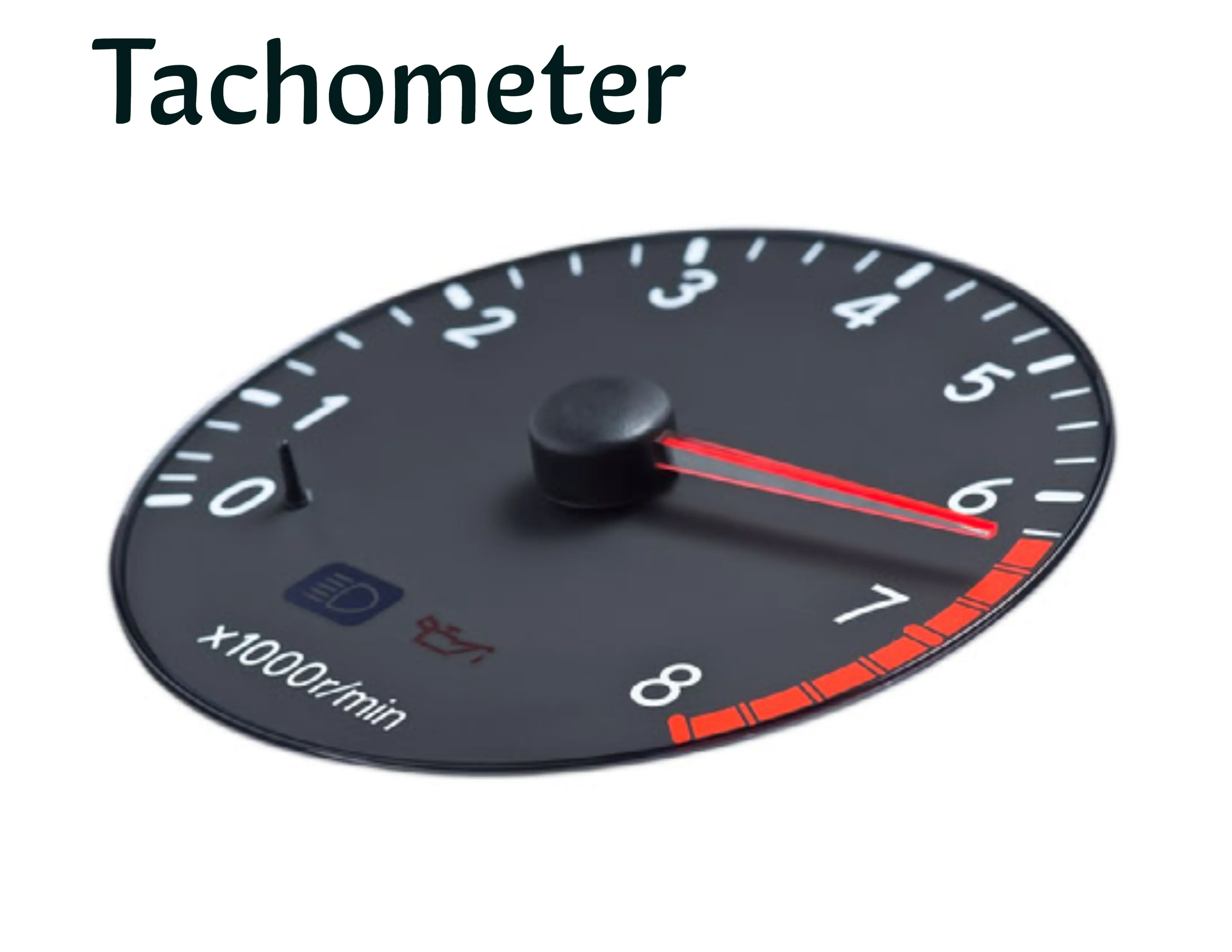
Tachometer
The tachometer measures your engine’s RPM (revolutions per minute). This gauge mainly matters if you’re driving a manual transmission vehicle. It tells you when to shift gears, helping to prolong engine life and improve fuel efficiency. Ideally, shift when your tachometer reads between 2,500 and 3,000 RPM.
Fuel Gauge
The fuel gauge tells you how much gas you have left in your tank. It’s crucial to monitor fuel levels to avoid getting stranded. A low fuel warning light may also appear when it gets low. Pro tip: try to keep your tank at least half full to help prevent fuel pump issues and moisture buildup.
Temperature Gauge
This gauge measures your engine’s coolant temperature. If your engine is running too hot, it could mean trouble. Overheating can cause serious damage, so stop and let your engine cool if the gauge spikes. Keeping your coolant topped off helps prevent overheating.
Oil Pressure Gauge
The oil pressure gauge tells you whether your engine is properly lubricated. Low oil pressure can reduce engine life. If pressure is too low, a warning light may also appear. Regularly check your oil level and follow your manufacturer’s maintenance schedule.
Your dashboard gauges exist to keep you informed and safe. By knowing what each one means, you can avoid costly repairs and catch issues early. If you’re unsure about a gauge or dashboard symbol, call Bovan’s Auto Services at 201-840-5133, schedule an online appointment, or visit us at 619 Gorge Road, Cliffside Park, NJ.
03/22/2024Read more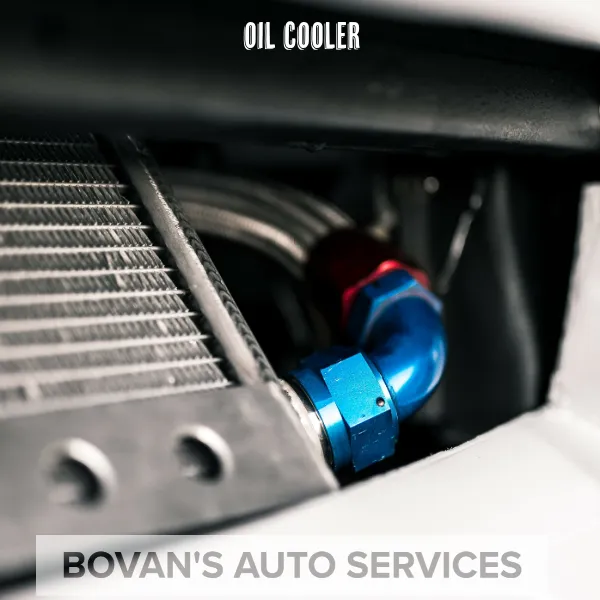
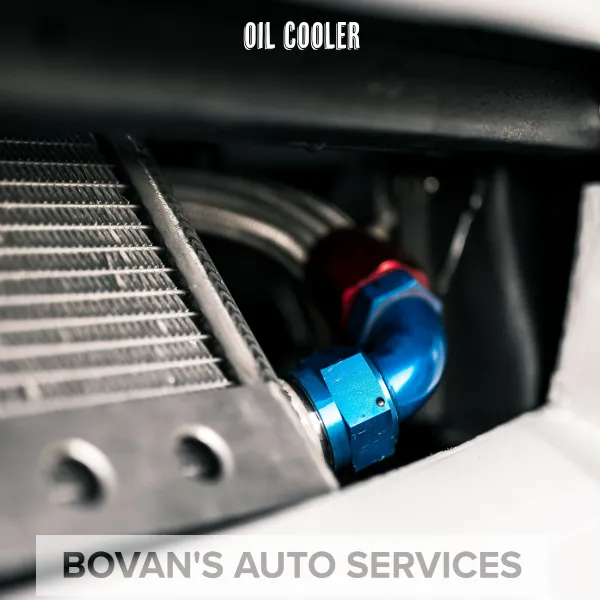
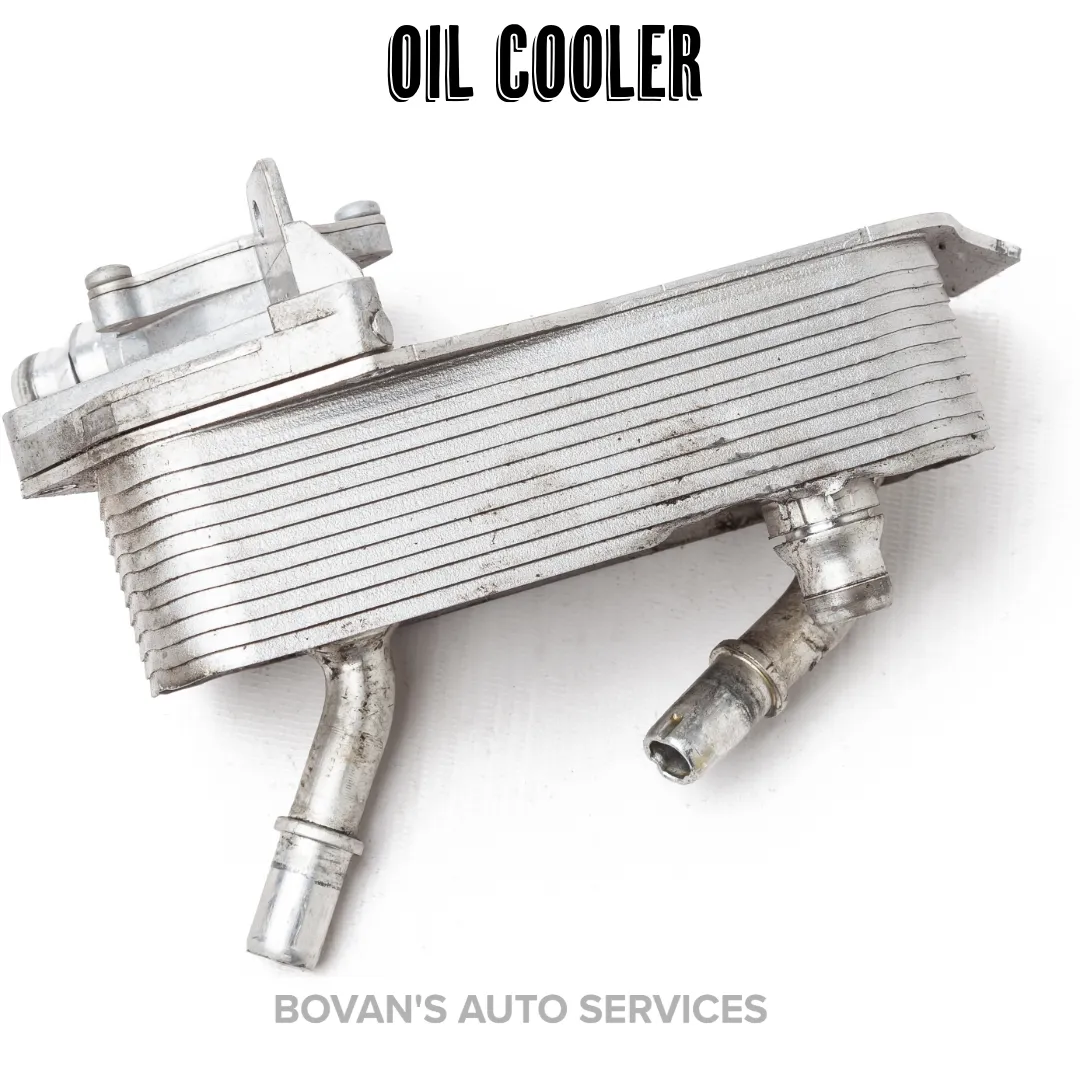
Oil Cooler
Brake hoses are an essential component of a vehicle's braking system. They play a crucial role in transmitting brake fluid under pressure from the master cylinder to the brake calipers or wheel cylinders, ultimately leading to the actuation of the brake pads or shoes. Here are some key points about brake hoses:
- Material: Brake hoses are typically made of reinforced rubber or synthetic materials that resist heat, corrosion, and brake fluid. Reinforcements often include fabric layers or braided metal for added durability.
- Flexibility: They must flex to accommodate wheel and suspension movement while maintaining a sealed hydraulic system. This ensures pressure is transferred effectively when braking.
- Construction: Brake hoses are built in layers. The inner layer resists brake fluid corrosion, the middle provides strength, and the outer layer protects from external elements.
- End Fittings: Metal fittings at both ends connect securely to the calipers or wheel cylinders and the master cylinder. These are usually steel or corrosion-resistant alloys.
- Brake Fluid Compatibility: The hose must be compatible with the vehicle's brake fluid. Using incompatible fluid or worn hose materials can cause system failure.
- Maintenance and Replacement: Over time, hoses degrade from heat, moisture, and wear. Regular inspection is key. Replace them at manufacturer-recommended intervals or if wear, cracking, or leaks are found.
- Bleeding the Brake System: When replacing hoses, you must bleed the brake system to remove air, ensuring firm and responsive braking.
- Performance and Safety: Damaged brake hoses reduce braking efficiency and increase risk. They're vital to overall brake performance and driver safety.
Follow the manufacturer's guidelines for brake hose maintenance and replacement. If you're unsure about the condition of your brake hoses, consult Bovan's Auto Services. Regular checks and proactive service help ensure reliable and safe braking performance.
Call Bovan’s Auto Services at 201-840-5133, schedule an online appointment, or stop by our shop at 619 Gorge Road, Cliffside Park, NJ. Safe driving!
01/02/2025Read more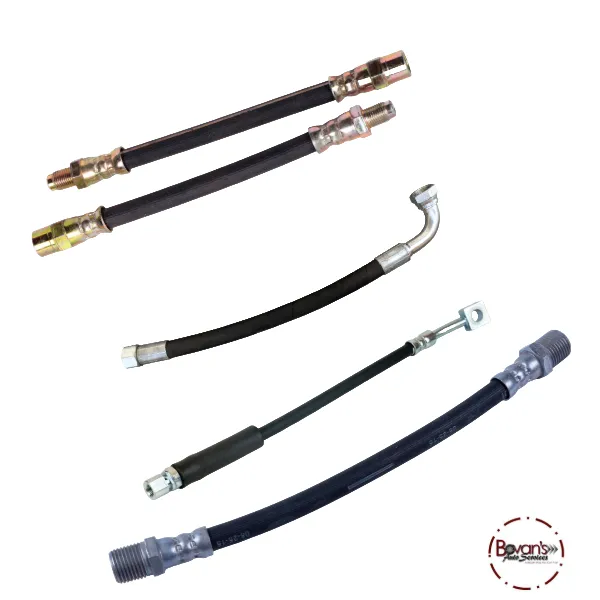
Brake Hoses
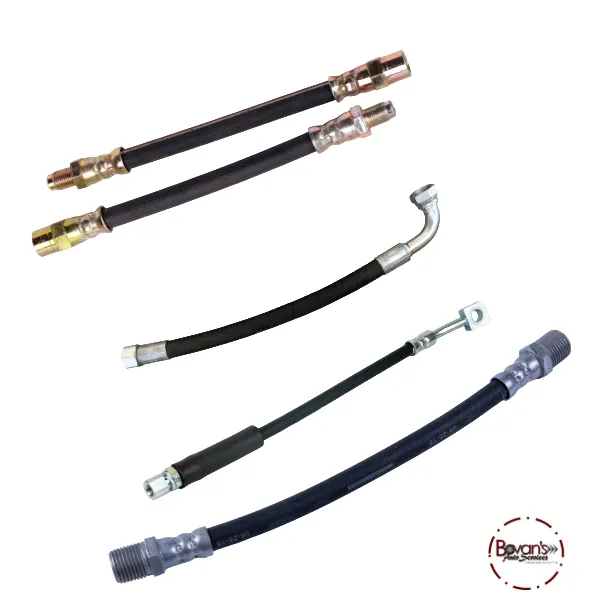
Brake hoses are an essential component of a vehicle's braking system. They play a crucial role in transmitting brake fluid under pressure from the master cylinder to the brake calipers or wheel cylinders, ultimately leading to the actuation of the brake pads or shoes. Here are some key points about brake hoses:
- Material: Brake hoses are typically made of reinforced rubber or synthetic materials that resist heat, corrosion, and brake fluid. Reinforcement may include fabric layers or braided metal for strength.
- Flexibility: Hoses need to flex to accommodate wheel and suspension movement while maintaining a sealed system. This allows effective transfer of hydraulic pressure.
- Construction: Multi-layered design: an inner layer that resists brake fluid, a middle for strength and flexibility, and an outer for protection from external wear.
- End Fittings: Hoses have corrosion-resistant metal fittings securely connecting the brake system components. These are critical for safety and durability.
- Brake Fluid Compatibility: Hoses must be compatible with your brake fluid type. Using the wrong combination can degrade materials and cause failures.
- Maintenance and Replacement: Over time, heat, moisture, and road debris can degrade hoses. Inspect regularly for cracks, leaks, or wear, and replace per manufacturer guidelines or sooner if damaged.
- Bleeding the Brake System: After hose replacement, bleed the system to remove air. This restores firm brake pedal feel and ensures proper brake response.
- Performance and Safety: Compromised hoses lead to brake failure or reduced efficiency. Their condition directly impacts safety and stopping power.
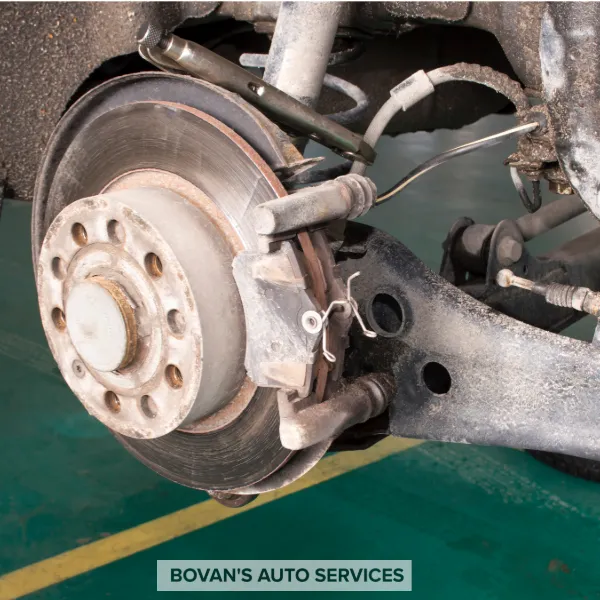
Always follow manufacturer maintenance schedules and consult Bovan’s Auto Services if you suspect any brake system issues. Staying proactive with brake hose care keeps your vehicle safe and reliable.
Call Bovan’s Auto Services at 201-840-5133, schedule your online appointment, or visit our shop at 619 Gorge Road, Cliffside Park, NJ. Safe driving!
10/07/2024Read more
What Does That Check Engine Light Mean? | Bovans Auto Services
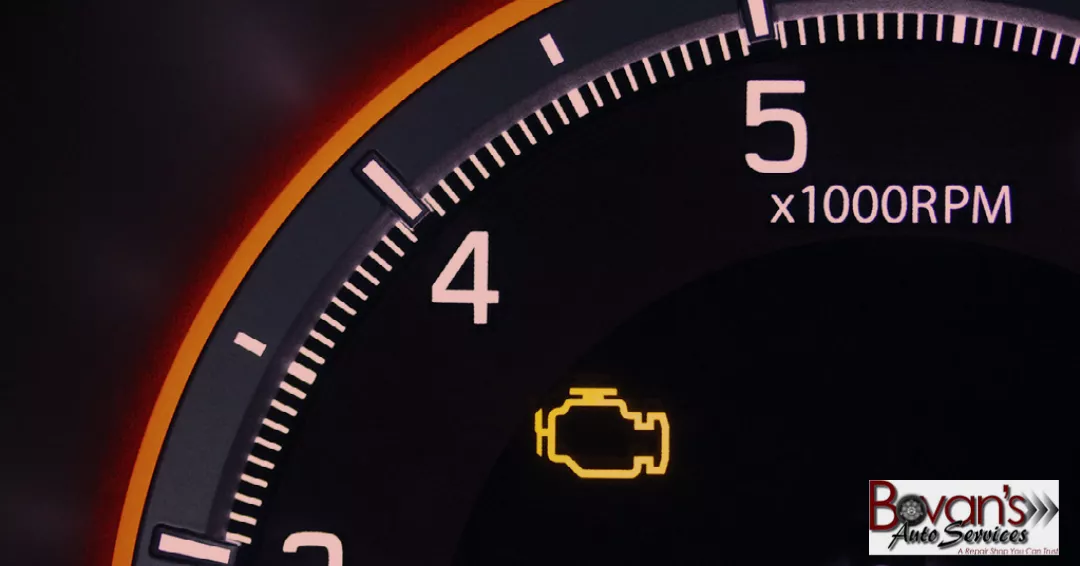
What Does That Check Engine Light Mean?
Have you ever been driving your car and suddenly noticed the check engine light come on? It can be hard to know the cause. Here are some of the most common reasons a check engine light turns on and how you can start diagnosing the issue.
Common Causes Behind a Check Engine Light
The check engine light alerts drivers to potential problems with their vehicle. Some of the most common causes include:
- Faulty spark plugs or wires. These components help ensure your engine has enough power to run efficiently. If they are worn out or misfiring, the light may come on.
- A loose or damaged gas cap. The gas cap prevents fuel vapors from escaping. If it is loose or cracked, it can trigger the light.
- Low oil levels or poor-quality oil. Oil lubricates your engine's moving parts. Low or degraded oil can cause the warning light to activate.
- Faulty oxygen sensors. These sensors monitor air fuel ratios and emissions. A failing sensor can cause the check engine light to illuminate.
The check engine light near me can be unsettling, but understanding the common causes can help you stay calm and address the issue quickly. For accurate diagnosis and repair, call Bovan’s at 201-840-5133 or schedule an online appointment.
01/02/2024Read more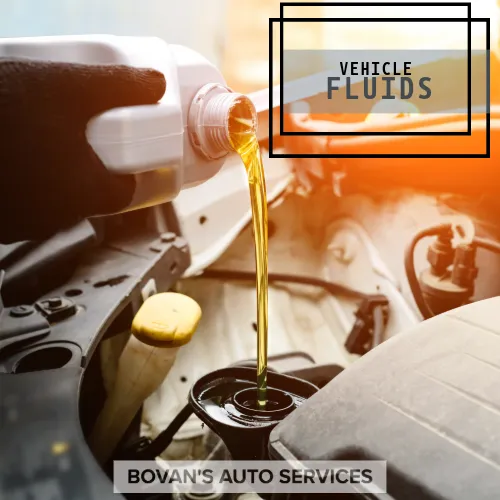
Essential Vehicle Fluids | Bovan's Auto Services
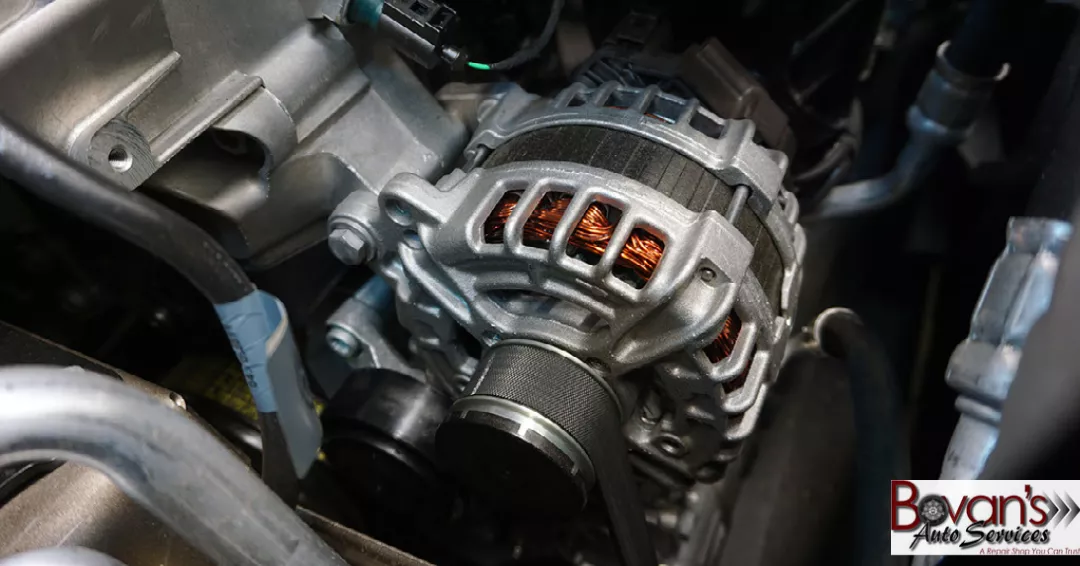
It’s important to know that your vehicle is a complex assembly of moving parts, and behind the scenes a network of fluids plays a critical role in keeping everything running smoothly. Regularly checking fluid levels, following maintenance schedules, and using the recommended fluids are essential for the proper functioning and longevity of your vehicle. Neglecting this maintenance can lead to serious issues and potential damage to your vehicle’s components.
The recommended interval for changing your fluids ranges from 30,000 – 100,000 miles.
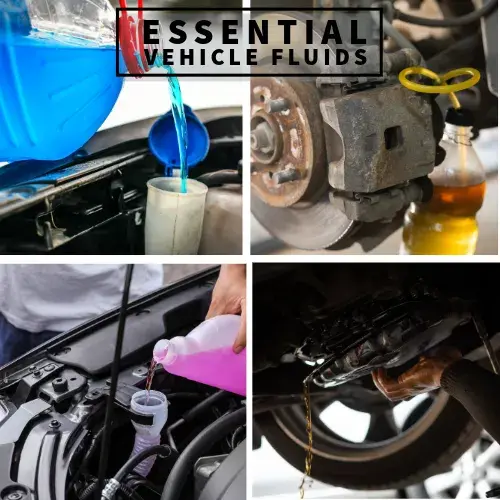
Key Fluids & Their Functions
Engine Oil: Lubricates and cools the internal workings of your engine—bearings, pistons, valves, timing chains, gears, pumps, seals and more.
Brake Fluid: Transmits hydraulic pressure to power the braking system—lubricates valves, pistons and ABS components.
Coolant (Antifreeze): Regulates engine temperature by absorbing and dissipating heat, lubricates the water pump, cools the engine and provides HVAC heating fluid.
Transmission Fluid: Lubricates and cools the internal workings of your transmission—gears, bearings, valves, pumps, seals and more.
Transfer Case Fluid (for 4WD/AWD): Lubricates and cools transfer case components—driveshafts, gears, bearings, seals.
Windshield Washer Fluid: Cleans the windshield for improved visibility. While simple, it's vital for safe driving conditions.
Fluids play a crucial role in vehicle maintenance, contributing to smooth operation, longevity, and safety. Call 201‑840‑5133, schedule your online appointment, or stop by our shop at 619 Gorge Road, Cliffside Park, NJ so our repair specialists can take care of your fluid service needs. Safe driving!
02/10/2025Read more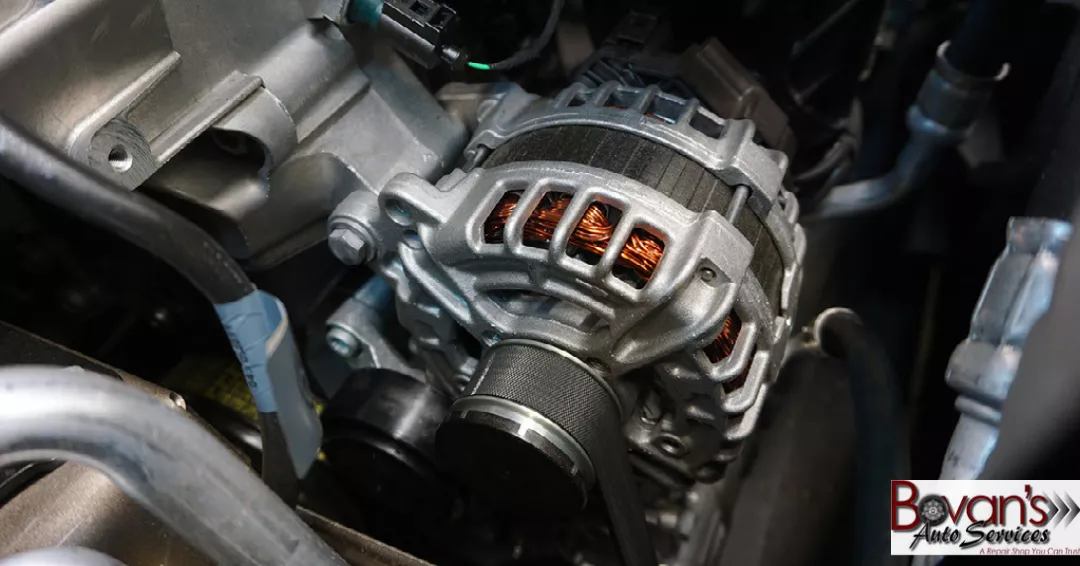
Alternator | Bovan's Auto Services
How Do I Know If My Alternator Needs Replacing?
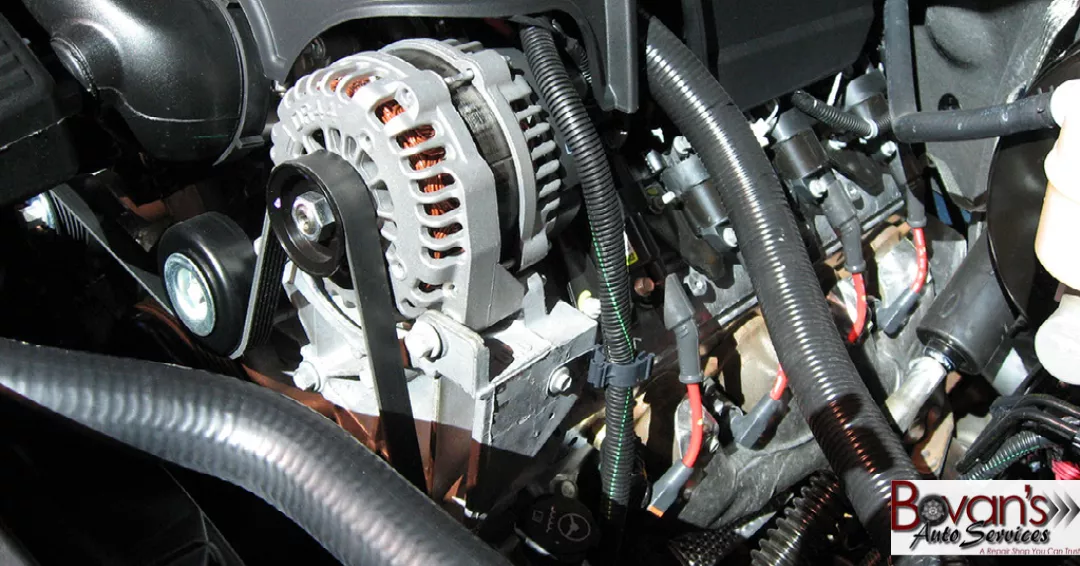
The alternator generates electrical power in your vehicle by converting engine mechanical energy into electrical energy. This powers your headlights, windshield wipers, radio, air conditioning and more. Without a functioning alternator, your car’s electronics simply won’t run properly.
Signs that Your Alternator Needs Replacing
If your car’s battery drains quickly, or your lights seem dimmer than usual, these may be early warning signs. Another indicator: a squealing sound when accelerating—often due to a slipping or worn serpentine belt. And if dashboard lights flicker or go off while driving, that’s another red flag. Don’t wait until it’s too late, call Bovan’s at 201‑840‑5133, schedule your online appointment, or stop by Bovan’s Auto Services at 619 Gorge Road, Cliffside Park, NJ.
 02/20/2024Read more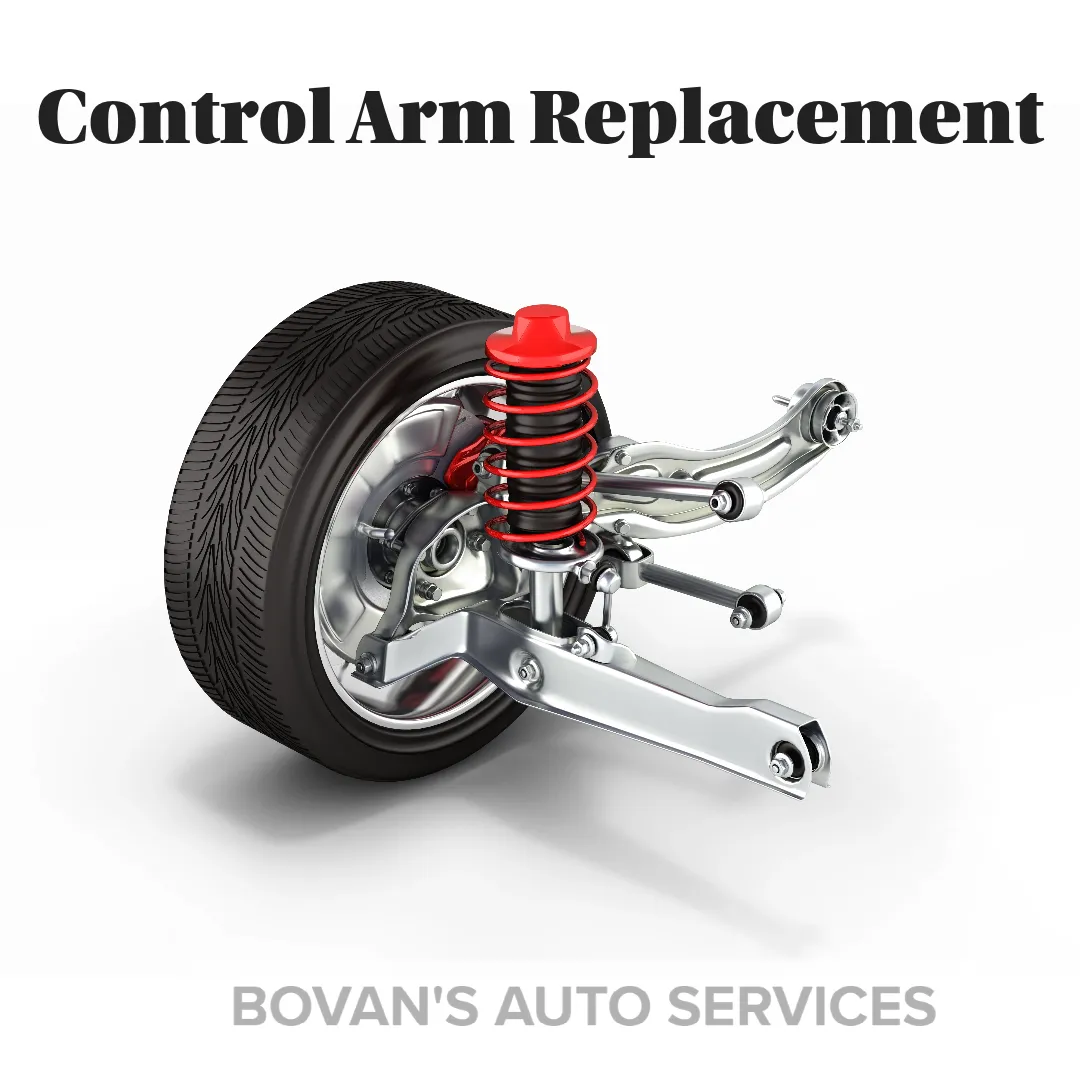
Control Arms | Bovan's Auto Services
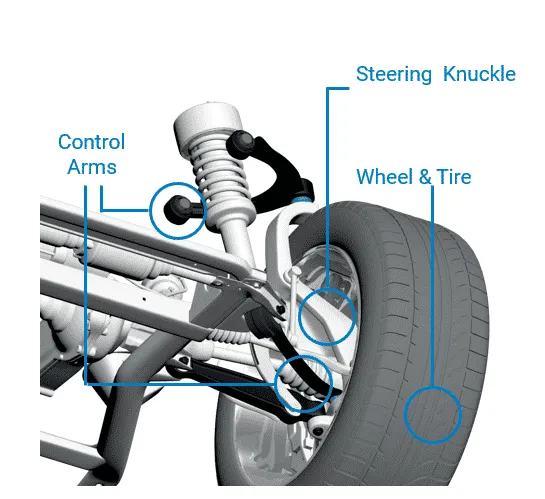
The primary function of the control arm is to facilitate the vertical movement of the wheels while keeping them aligned and connected to the steering system. It also controls camber and caster angles, which are vital for maintaining proper tire contact with the road and minimizing wear.
Key Functions of the Control Arm:
- Suspension Support: The control arm supports vehicle weight and absorbs road shocks and vibrations, helping deliver a smoother ride.
- Wheel Movement Control: It allows wheels to move up and down independently, adapting to bumps and surface irregularities for better comfort and control.
- Alignment Control: Control arms help maintain proper wheel alignment, ensuring even tire wear and stable handling by keeping wheels parallel and perpendicular to the road.
- Impact on Handling: The design and geometry of control arms influence how the vehicle handles, especially during cornering and sudden maneuvers.
- Connection to Suspension Components: Control arms connect to shocks or struts and often include bushings and ball joints for flexible, stable motion.
- Transmission of Forces: During acceleration, braking, and turning, control arms transmit forces between wheels and chassis, supporting stability and balance.
Without properly functioning control arms, your vehicle could shake, wobble, and lose steering precision, making it unsafe to drive. Keeping your control arms in good condition is essential for both safety and performance.
Call Bovan’s Auto Services at 201-840-5133, schedule your online appointment, or stop by our shop at 619 Gorge Road, Cliffside Park, NJ. Safe driving!
09/28/2024Read moreWhat is a PCV Valve and How Does it Work? | Bovans Auto Services
What is a PCV Valve and How Does it Work?
Most car owners understand the need for regular oil changes, but fewer are familiar with the Positive Crankcase Ventilation (PCV) valve. It's a critical part of the engine system and, if faulty, can lead to performance issues. Here’s what you need to know.
What is a PCV Valve?
The PCV valve helps regulate pressure inside the crankcase and reduces emissions. It recycles blow-by gases—those that slip past the piston rings—back into the combustion chamber, while also drawing in fresh air to help purge vapors. It connects the intake manifold and crankcase, allowing a two-way flow of gases.
How Does a PCV Valve Work?
During engine combustion, some gases escape past the piston rings and enter the crankcase. These mix with oil mist and need to be vented. The PCV valve directs these gases back to the intake system or out through the exhaust, where they are burned off. This process prevents harmful vapor buildup, which can degrade engine performance and components.
Why It Matters
A properly functioning PCV valve improves engine efficiency and helps prevent long-term damage. In fact, many states require it to be operational for emissions compliance. Regular inspection and maintenance can prevent costly repairs down the line.
If you're experiencing rough idling, oil leaks, or engine hesitation, the PCV valve might be to blame. Don’t wait—call 201‑840‑5133, schedule an appointment online, or visit Bovan’s Auto Services at 619 Gorge Road, Cliffside Park, NJ.
02/02/2024Read more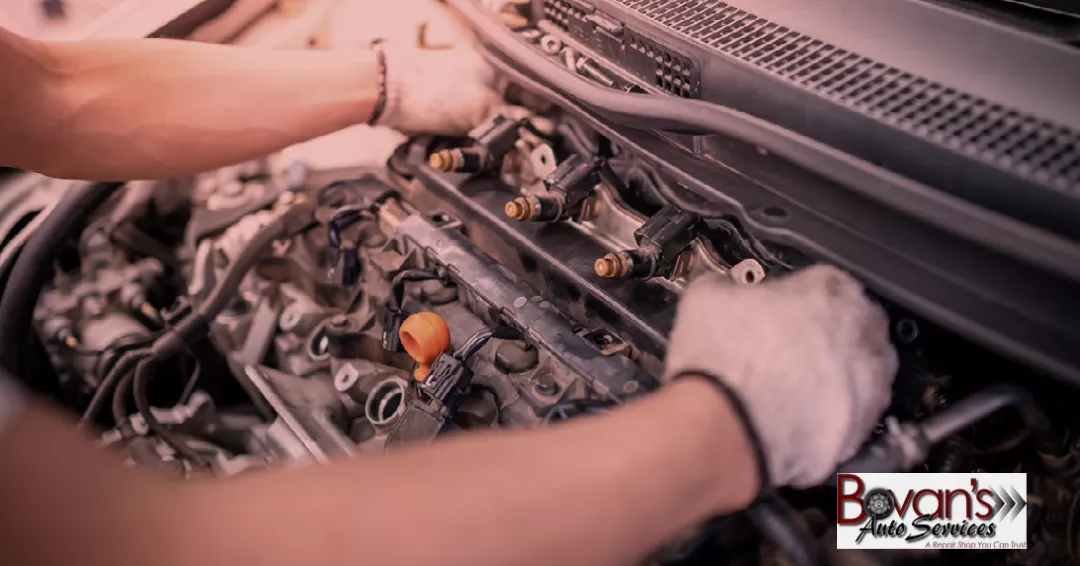
Fuel Injector Replacement | Bovans Auto Services
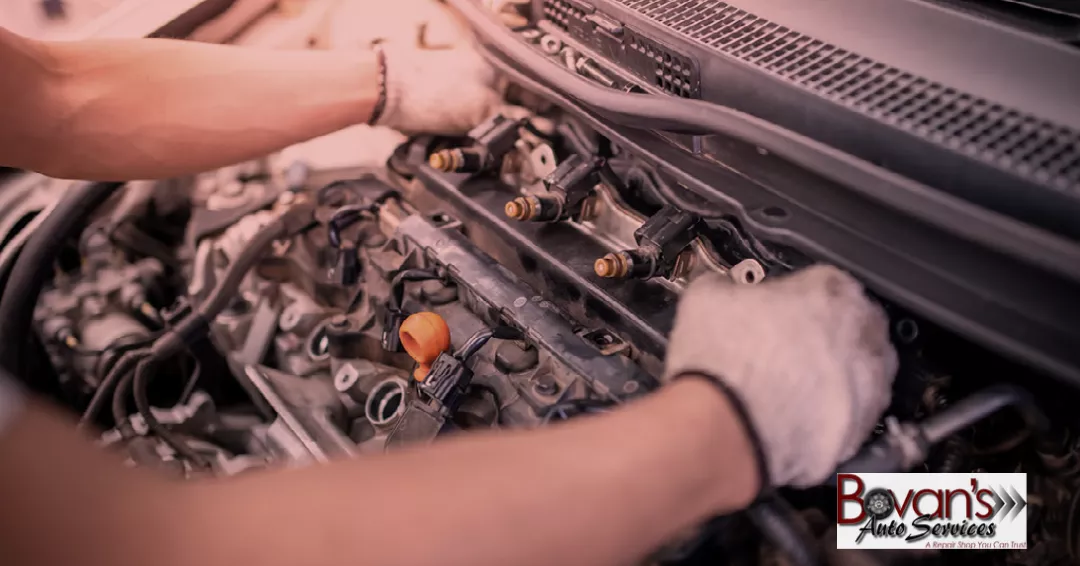
Modern vehicles rely on fuel injectors to deliver precise amounts of fuel to the engine. Over time, injectors can clog or wear out, impacting performance. Here's what you need to know about fuel injector replacement.
What Is a Fuel Injector?
A fuel injector is an electronically controlled valve that delivers gasoline in exact doses at the right moment. Its role is critical for maintaining engine efficiency and performance. Failing injectors can cause misfires, stalling, and poor fuel economy.
Why Replace Fuel Injectors?
Though built to last, fuel injectors can degrade with age, especially if routine maintenance is skipped. Signs you may need replacement include reduced engine power, rough idle, sluggish acceleration, and higher fuel consumption.
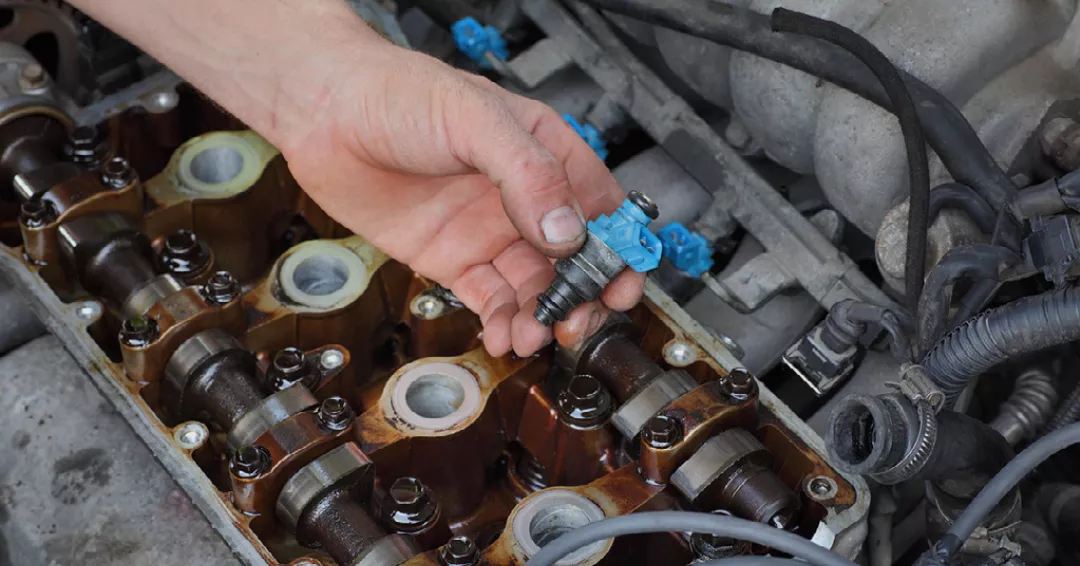
Replacing your injectors can restore your car’s performance and fuel efficiency. While the process can be complex and costly, Bovan’s Auto Services has experienced technicians ready to handle the job. If you're noticing injector issues, call 201‑840‑5133, schedule online, or stop by at 619 Gorge Road, Cliffside Park, NJ.
02/02/2024Read more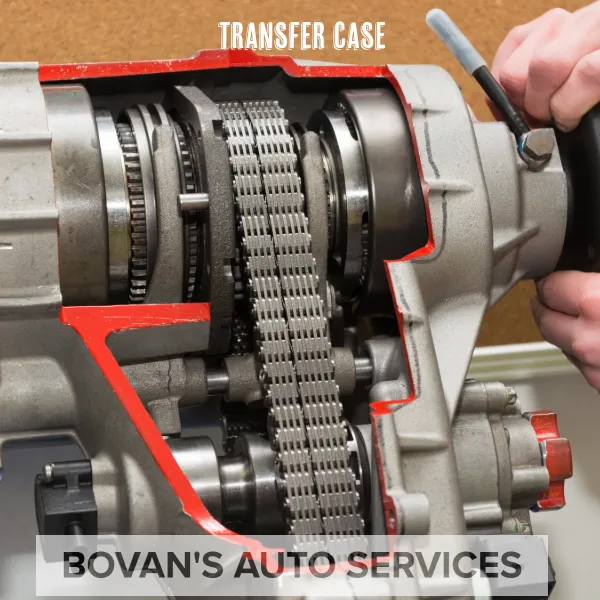
Transfer Case Function | Bovan's Auto Services
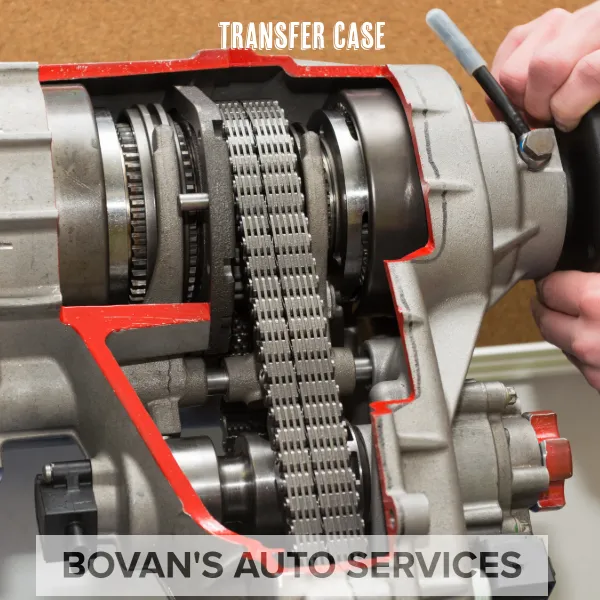
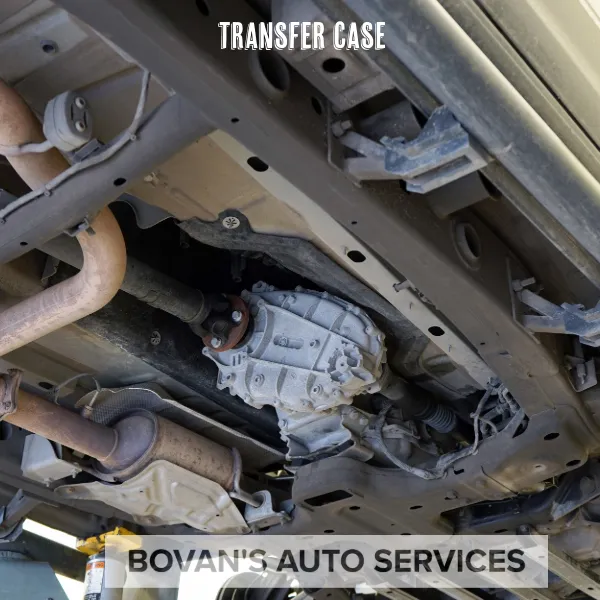
The transfer case is a component of the drivetrain that distributes power between the front and rear axles. It is commonly found in four‑wheel‑drive (4WD) and all‑wheel‑drive (AWD) vehicles. The main functions of a transfer case include:
- Power Distribution: The transfer case receives power from the transmission and distributes it to both the front and rear axles. This allows for better traction and stability, especially in off‑road or slippery conditions.
- Selectable Modes: Many transfer cases have selectable modes like 2WD, 4WD High, and 4WD Low. In 2WD mode power is sent to either the front or rear wheels, while 4WD modes engage both front and rear axles for improved traction. 4WD Low is typically used for low‑speed, high‑torque situations such as off‑road crawling.
- Neutral Setting: Some units include a neutral setting that disconnects the transmission entirely from both axles—useful when the vehicle needs to be towed.
- Reduction Gearing: In 4WD Low mode the transfer case often includes reduction gearing which provides additional torque to the wheels for improved off‑road performance.
- Differential Locking: Some advanced transfer cases allow for differential locks, ensuring power is distributed equally between front and rear axles even if one set of wheels is slipping.
When transfer case maintenance is neglected, several potential issues can arise, compromising the performance and longevity of your vehicle.
1. Reduced Lubrication and Increased Wear: Without regular fluid changes, the transfer case may lack proper lubrication. This can lead to increased friction and wear on gears and bearings, potentially causing premature failure.
2. Overheating and Component Damage: Old or contaminated transfer‑case fluid may lose its ability to dissipate heat. Over time this can result in overheating, leading to damage to internal components and a decline in overall performance.
3. Limited Traction and Stability: The transfer case plays a crucial role in providing traction and stability—especially in 4WD or AWD vehicles. Inadequate maintenance can compromise these capabilities, making your vehicle less reliable in challenging driving conditions.
4. Increased Noise and Vibration: Insufficient lubrication and wear on transfer‑case components can lead to increased noise and vibration. This not only affects the driving experience but may also indicate potential mechanical issues.
5. Fluid Contamination: Contaminated transfer‑case fluid can introduce debris or metal particles into the system, further accelerating wear and potentially causing damage to other drivetrain components.
6. Costly Repairs: Neglecting transfer‑case maintenance can result in more extensive and costly repairs down the line. Addressing issues early through routine maintenance is typically far more cost‑effective than dealing with major breakdowns.
It’s crucial to prioritize transfer‑case maintenance. Regular service by qualified technicians will not only preserve the integrity of the transfer case but also contribute to the overall reliability and performance of your vehicle. Call 201‑840‑5133 or schedule your online appointment, or visit our shop at 619 Gorge Road, Cliffside Park, NJ. Safe driving!
 01/24/2025Read more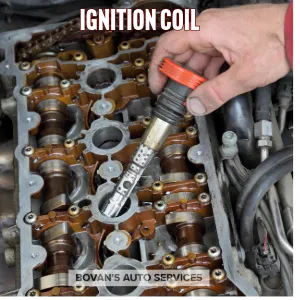
Ignition Coil | Bovan's Auto Services
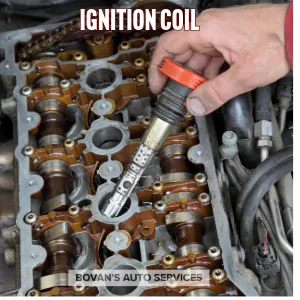
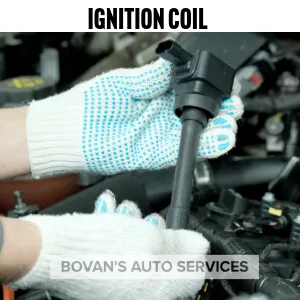
An ignition coil is an essential component in the ignition system of internal‑combustion engines, particularly gasoline‑powered vehicles. Its primary function is to convert the low voltage from the battery into the high voltage needed to create an electric spark in the spark plugs. This spark ignites the air‑fuel mixture within the engine’s combustion chamber, initiating the process that powers the engine.
Here are some of the key benefits they provide:
- Improved Spark: The ignition coil generates the high‑voltage spark needed to ignite the air‑fuel mixture, ensuring efficient and complete combustion.
- Enhanced Engine Performance: By delivering consistent and powerful sparks, coils contribute to smoother operation, increased power output, and better fuel efficiency.
- Reliability: Modern ignition coils are designed for durability and consistent performance over long periods—critical for engine efficiency and longevity.
- Quick Ignition: Coils have the capability to rapidly charge and discharge, enabling prompt engine starts, especially in cold weather.
- Emissions Reduction: Efficient ignition helps ensure full combustion of the air‑fuel mixture, minimizing harmful emissions like HC, CO, and NOₓ.
- Engine Timing Control: Some systems use individual coils per cylinder, allowing precise ignition timing which improves performance, economy, and emissions.
- Compatibility with Upgrades: High‑performance ignition coils are available for enthusiasts and modified engines, offering improved spark energy, faster rise times, and greater durability.
- Reduced Maintenance: Ignition coils are relatively low‑maintenance—requiring periodic inspection and eventual replacement as part of routine service.
Overall, ignition coils play a critical role in ensuring efficient combustion and reliable engine operation, contributing to improved performance, better fuel efficiency, and cleaner emissions.
If you’re having ignition issues, call 201‑840‑5133 or schedule your online appointment, or stop by our shop at 619 Gorge Road, Cliffside Park, NJ. Safe driving!
 07/14/2024Read more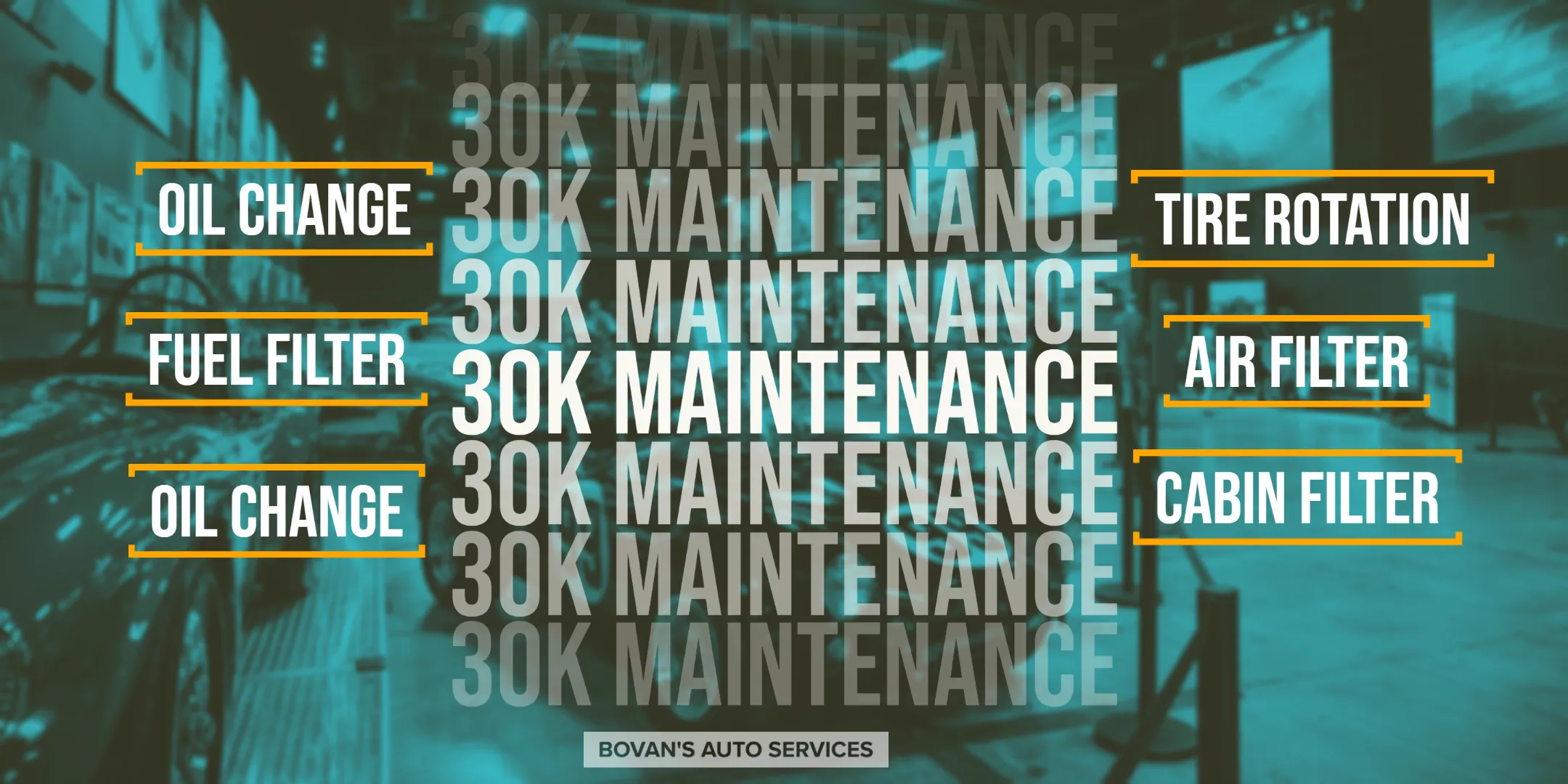
The Benefits of Preventative Maintenance | Bovans Auto Services
The Benefits of Preventative Maintenance for Your Vehicle
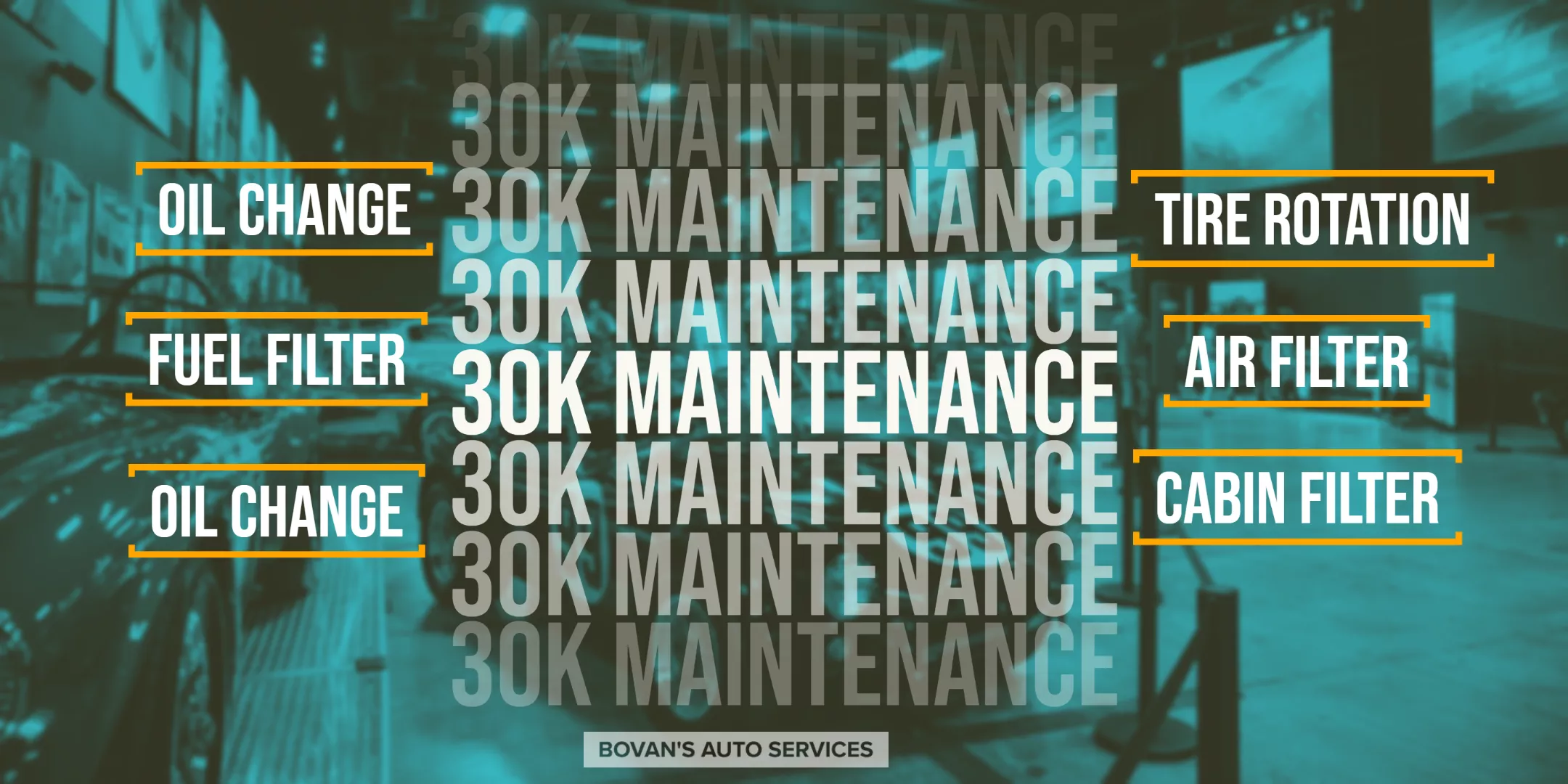
Keeping up with oil changes, tire rotations, brake checks, and other basic services helps prevent major breakdowns and extends the life of your car. Proactive care now can save you from costly repairs later.
The Importance of Regular Maintenance
Routine maintenance ensures your car’s components function correctly and don’t wear out prematurely. Following your manufacturer’s recommended service intervals helps avoid engine issues, drivability problems, and unexpected repair bills.
Preventative Repairs and Replacements
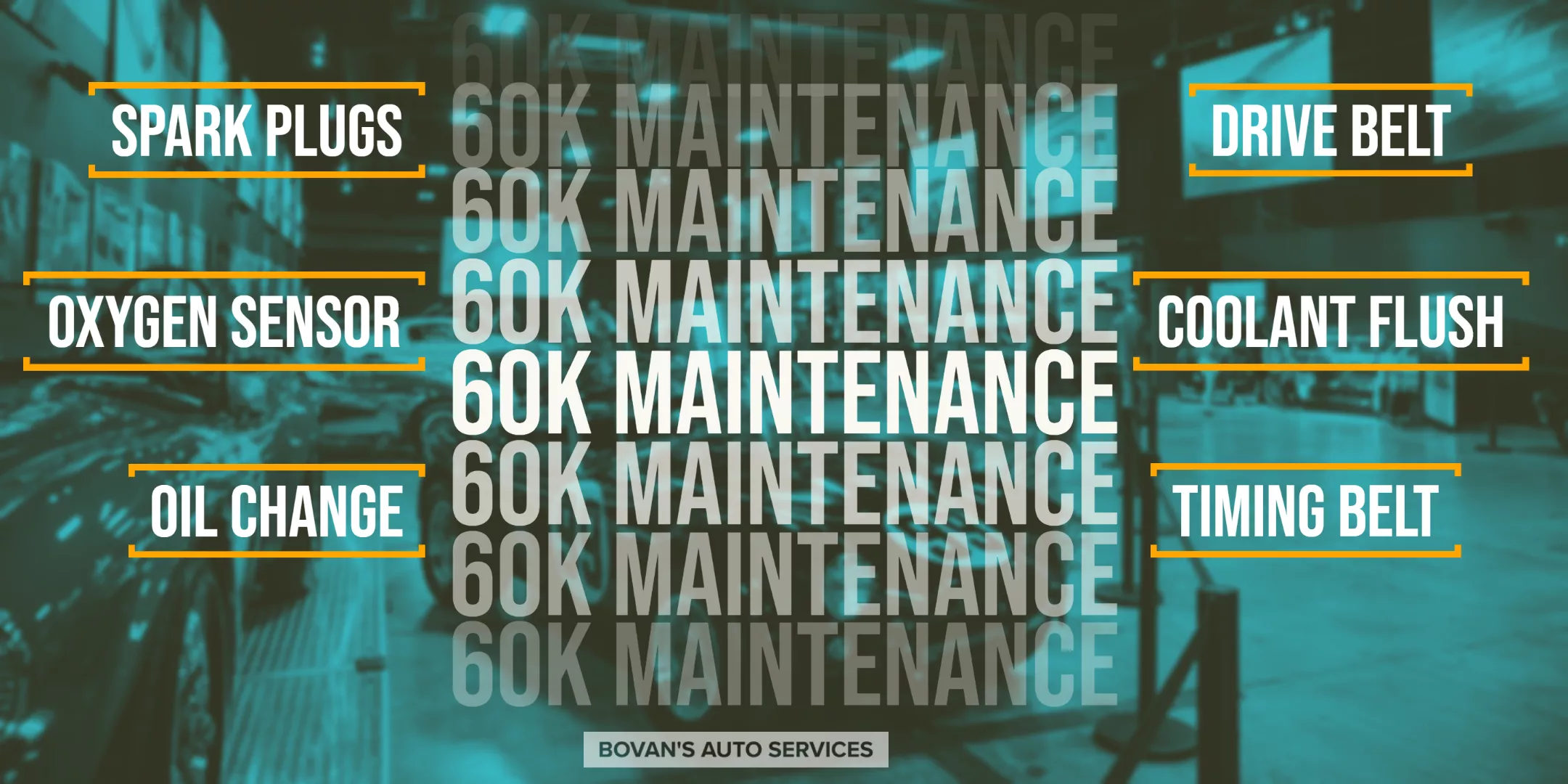
Preventative service includes replacing aging or worn parts before they fail, such as brake pads, spark plugs, or timing belts. Though they may seem optional, these repairs can protect you from much more expensive damage later.
Smart preventative maintenance reduces the risk of breakdowns, keeps your car performing well, and improves safety. It’s a practical investment for any vehicle owner.
Want to know your specific maintenance schedule? Contact Bovan’s Auto Services at 201‑840‑5133, visit us online, or stop by our shop at 619 Gorge Road, Cliffside Park, NJ.
01/17/2024Read more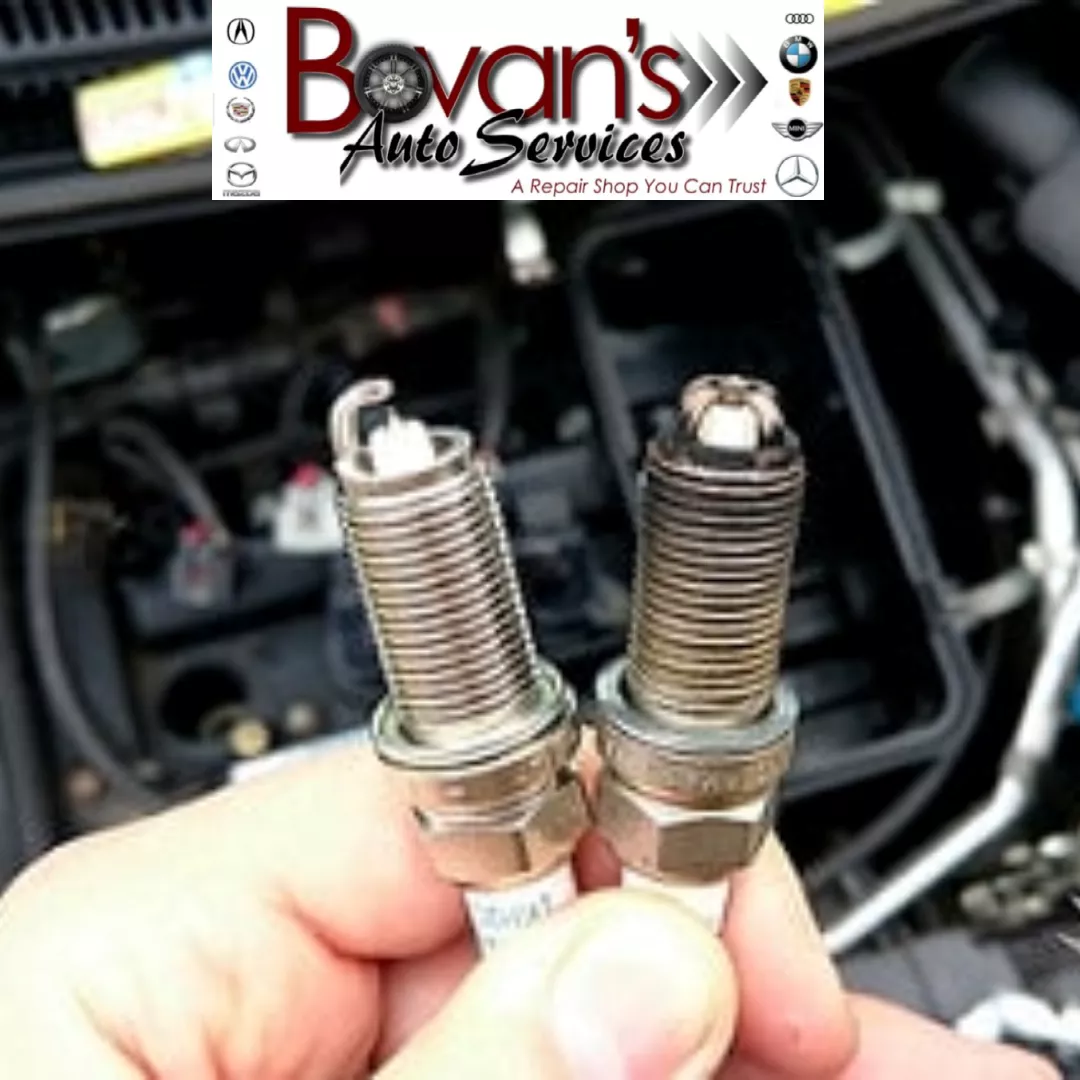
Spark Plug | Bovans Auto Services
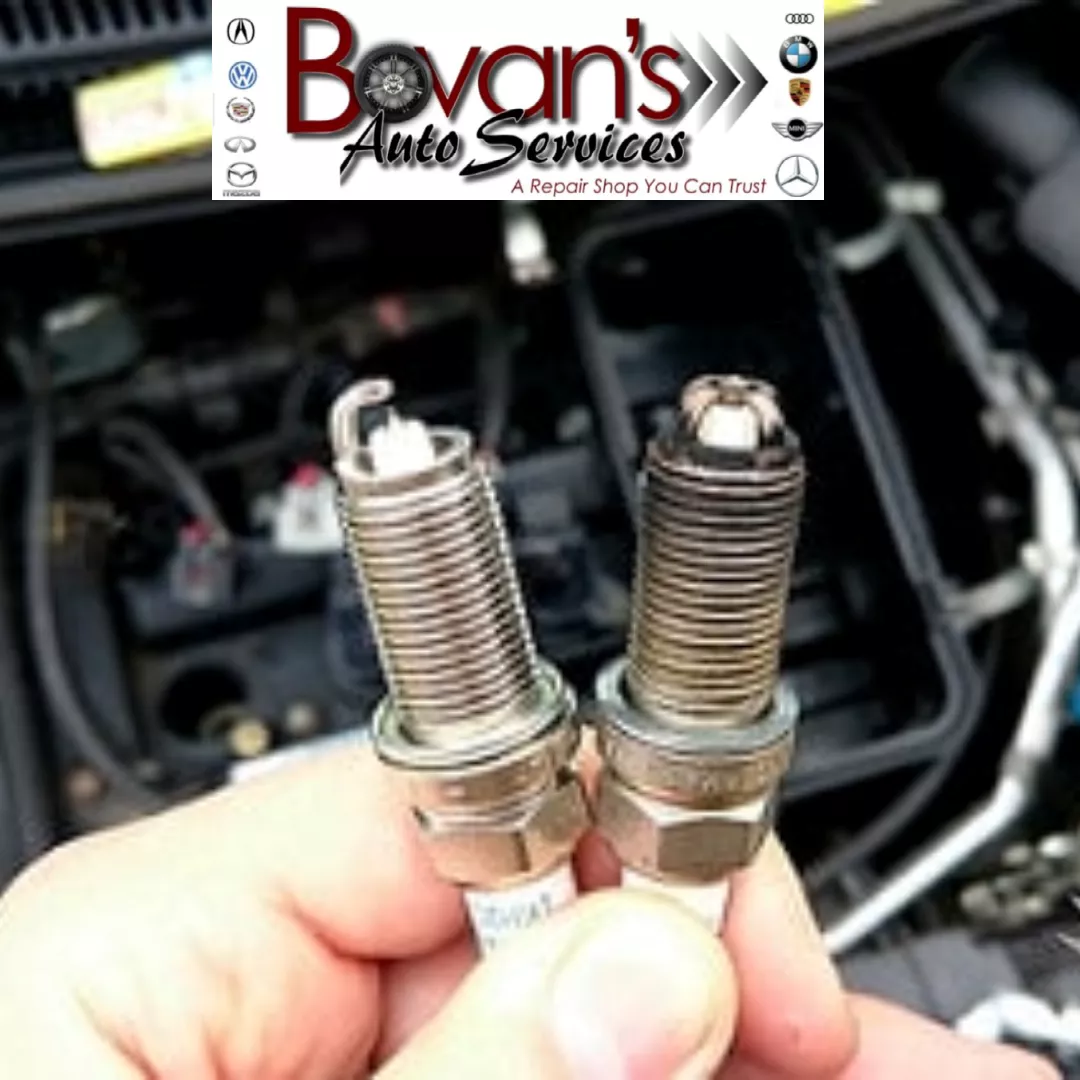
The Spark Plug: An Essential Part of Your Car
Keeping your car running smoothly means staying on top of regular maintenance, and spark plugs are one part that shouldn't be overlooked. These small components are critical to your engine’s performance and reliability. Let’s look at what they are, how they work, and when they need replacing.
What Are Spark Plugs?
Spark plugs are metal and ceramic components that generate a spark inside the engine. This spark ignites the air-fuel mixture in the combustion chamber, powering your car. Without them, combustion doesn't occur, and the engine won’t start or run.
Types of Spark Plugs
There are several types of spark plugs, each suited for different engines and driving needs. Common types include:
- Single Platinum
- Double Platinum
- Iridium
- Copper Core
Each type varies in lifespan, heat tolerance, and performance, so check your vehicle’s specifications or ask a trusted mechanic before purchasing replacements.
Signs You Need New Spark Plugs
Most spark plugs should be replaced every 30,000 to 50,000 miles, although high-end plugs can last up to 100,000 miles. Signs it’s time to replace them include:
- Reduced fuel efficiency
- Rough idling
- Slow acceleration
- Engine misfires
- Check Engine Light comes on
If you're noticing these issues, don’t wait. Call Bovan’s Auto Services at 201‑840‑5133, schedule online, or stop by at 619 Gorge Road, Cliffside Park, NJ.
01/26/2024Read more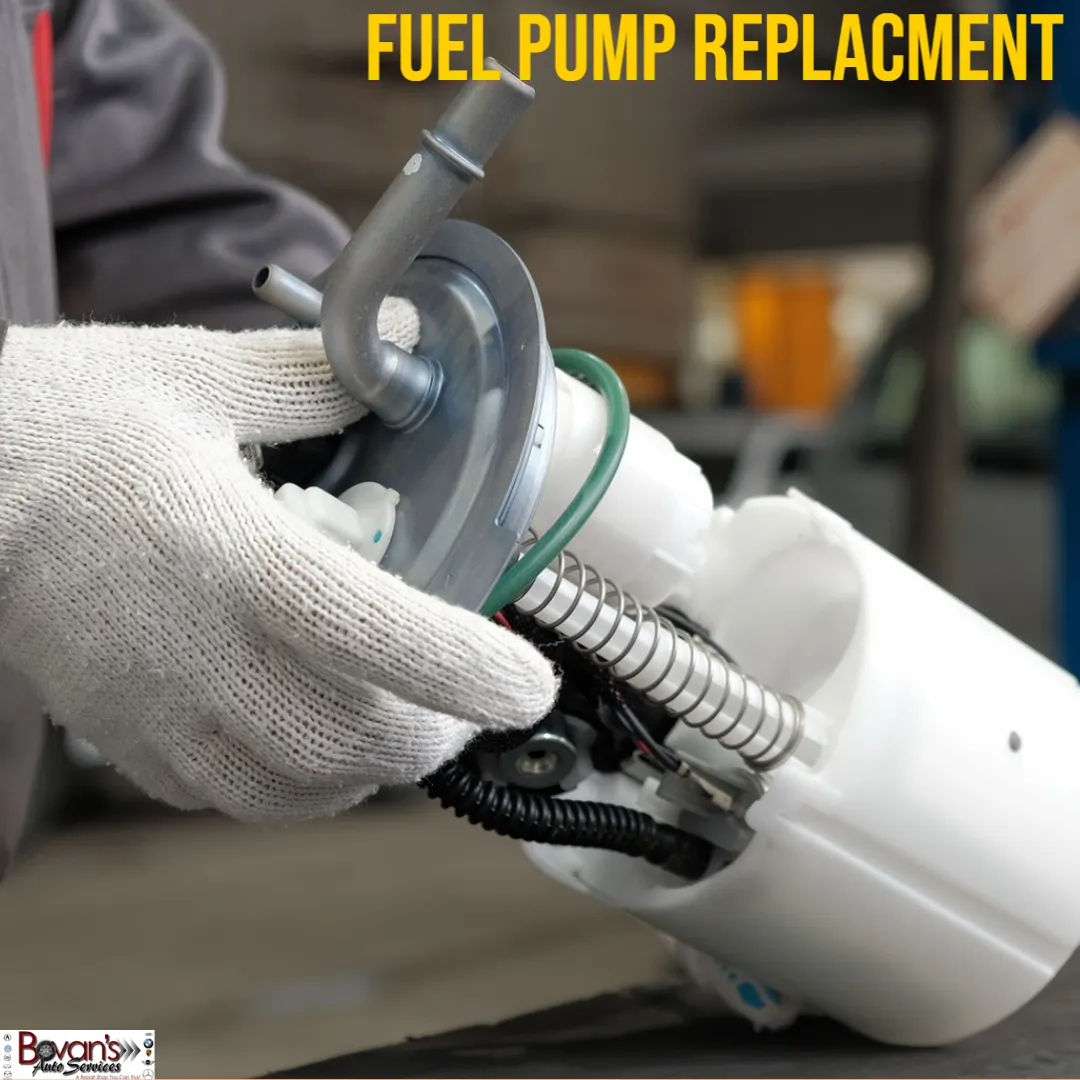
Fuel Pump | Bovan' Auto Services
What Is a Fuel Pump?
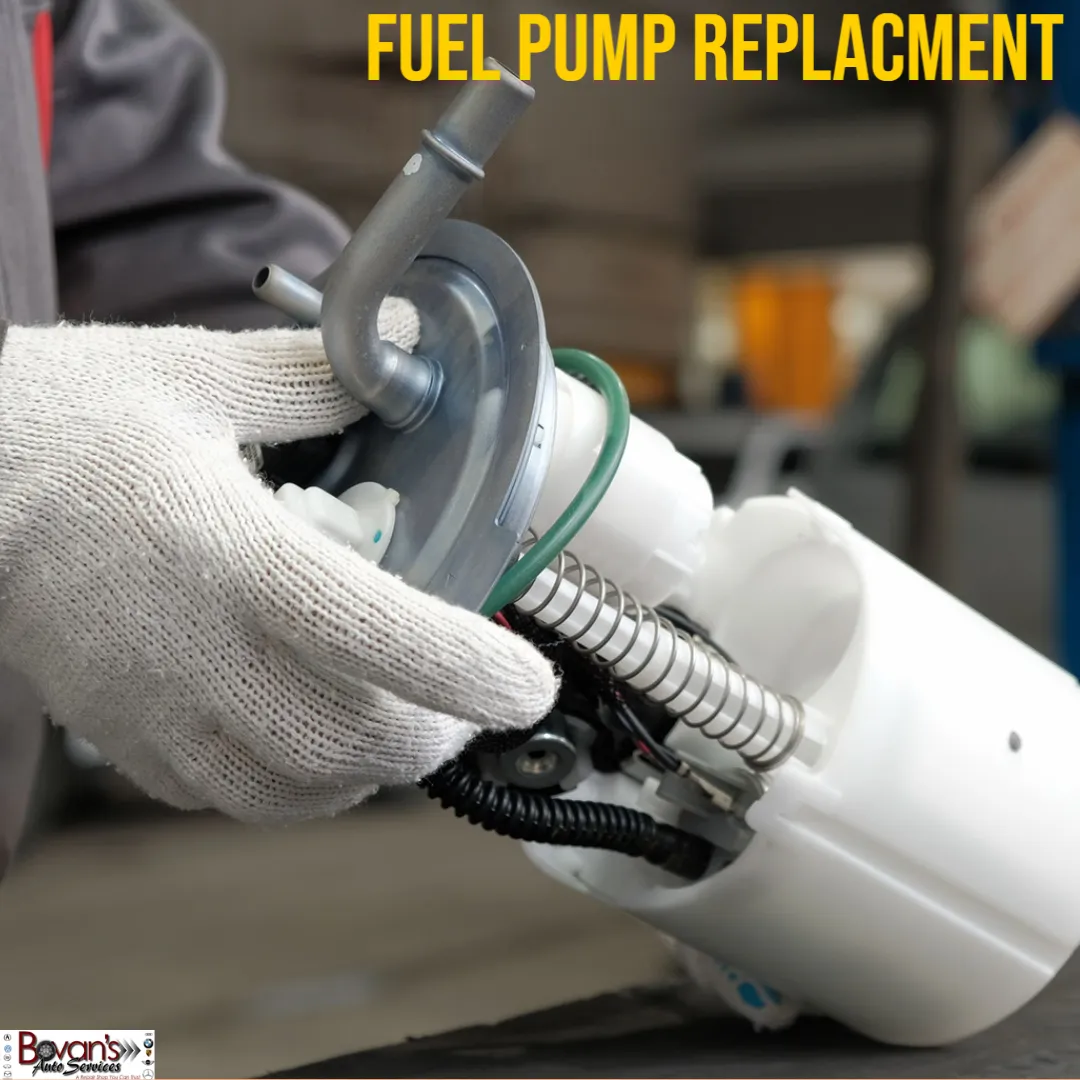
A fuel pump is an electric pump that moves gasoline from your vehicle’s gas tank to the engine. It's usually located between the tank and the engine, pumping fuel through lines into either a carburetor or fuel injectors depending on your vehicle type.
The pump's job is crucial: it ensures the engine receives enough fuel pressure to start and run. Without a functioning fuel pump, your engine can’t get the gas it needs and your car won’t run.
How Does a Fuel Pump Work?
In most vehicles, the fuel pump is powered by a motor that spins an impeller. This creates suction on one side and pressure on the other, pushing fuel from the tank through lines to the engine. Whether your engine uses a carburetor or injectors, the pump ensures a steady fuel flow for combustion.
Signs of a Failing Fuel Pump
Fuel pump issues can show up as:
- Engine stalling or misfiring when accelerating
- Hard starts after refueling
- Increased emissions
These symptoms may point to a failing fuel pump and should be diagnosed by qualified technicians at Bovan’s Auto Services.
Final Thoughts
The fuel pump is vital to engine function. If it fails, fuel won’t reach your engine with enough pressure for combustion. If you suspect an issue with your fuel system, call 201‑840‑5133, schedule an appointment online, or stop by Bovan’s Auto Services at 619 Gorge Road, Cliffside Park, NJ.
02/27/2024Read more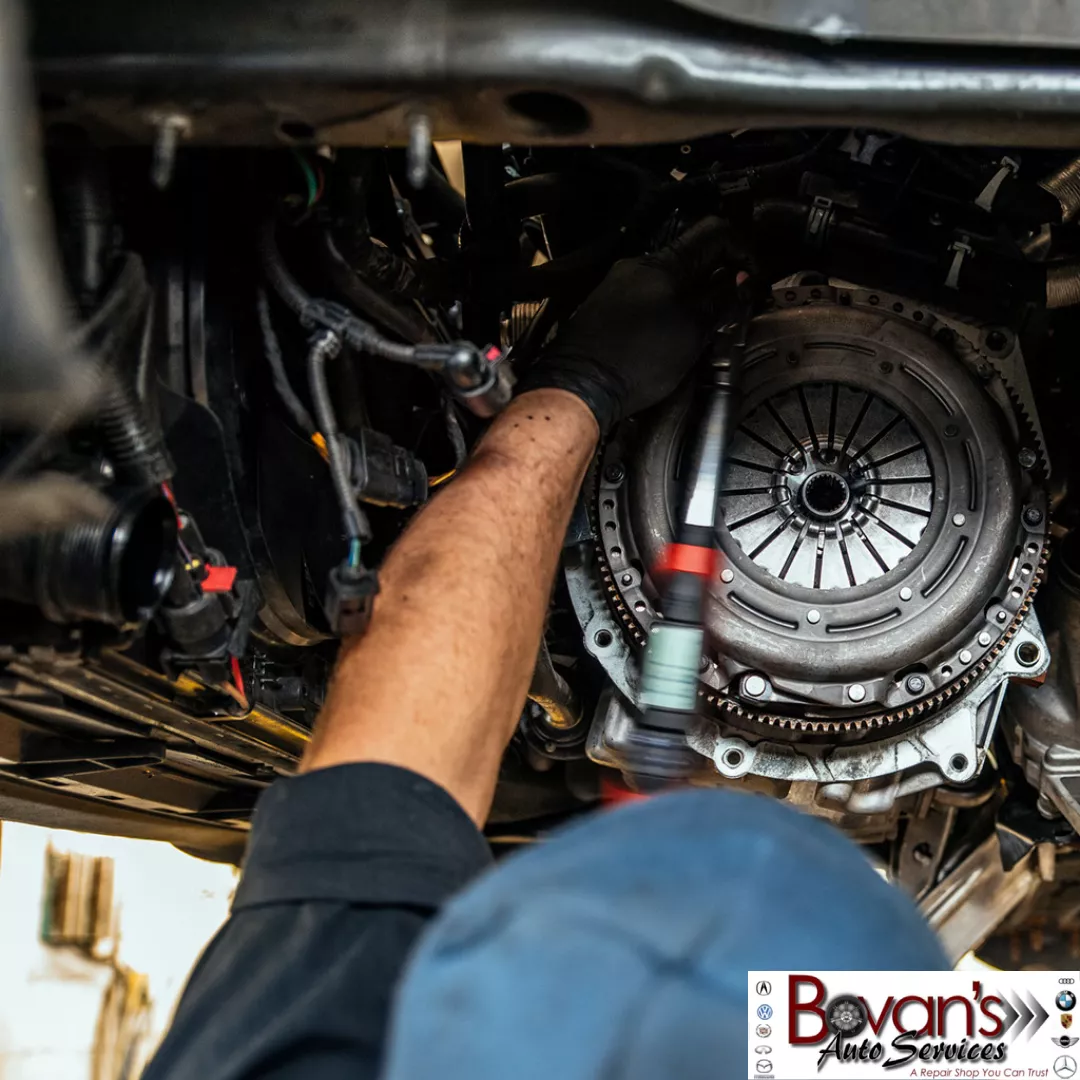
Clutch Replacement | Bovans Auto Services
What You Need to Know About Clutch Replacement
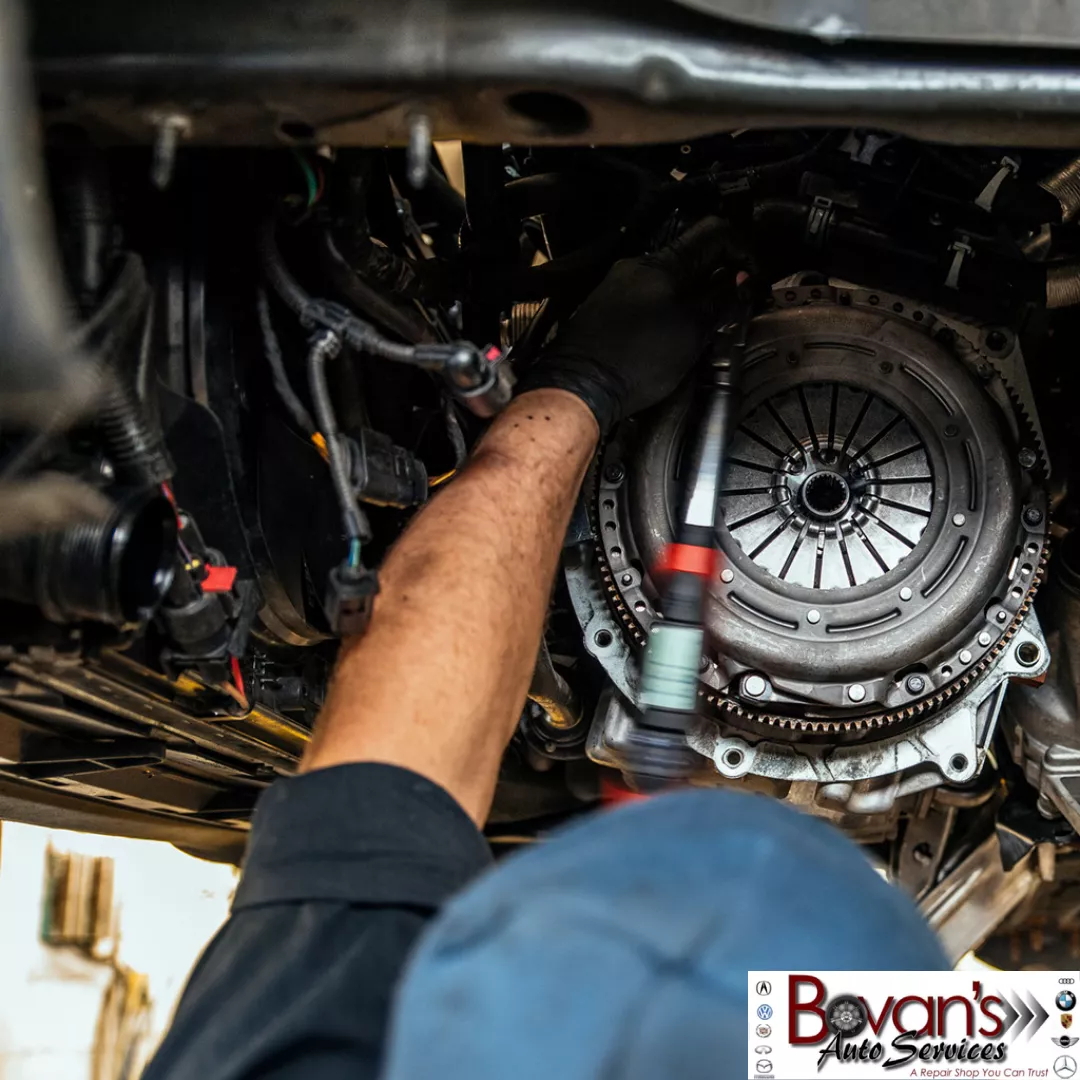
The clutch is essential in manual transmission vehicles and needs regular maintenance to stay functional. If it shows wear or fails, it must be replaced to maintain safe and smooth gear changes.
The Clutch and Its Function
The clutch allows the engine to transmit power to the transmission without interruption, enabling smooth gear shifts. If it's worn or failing, shifting becomes difficult or uncomfortable.
Signs That a Clutch Needs Replacement
Common signs of clutch problems include:
- Slipping (engine revs but vehicle doesn’t accelerate)
- Grinding or jerking when shifting
- Unusual smells under the hood
- Vibration during acceleration
If you notice any of these symptoms, get your vehicle inspected by a qualified mechanic promptly.
Why It Matters
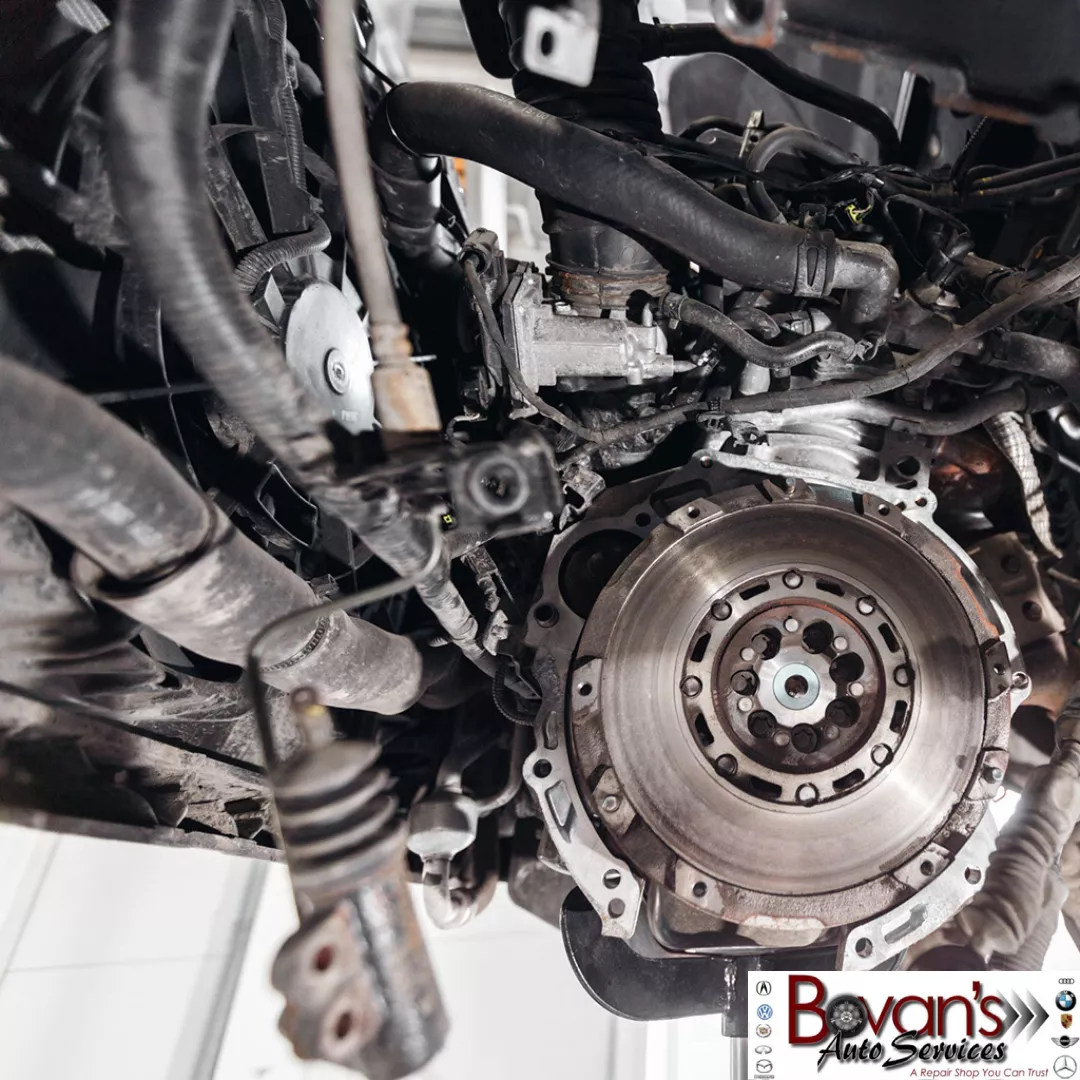
Replacing a worn clutch ensures safe and efficient gear shifts. Early detection and trusted repair can help your vehicle run smoothly for years. If you need a clutch replacement, call 201‑840‑5133, schedule an appointment online, or visit Bovan’s Auto Services at 619 Gorge Road, Cliffside Park, NJ.
02/17/2024Read more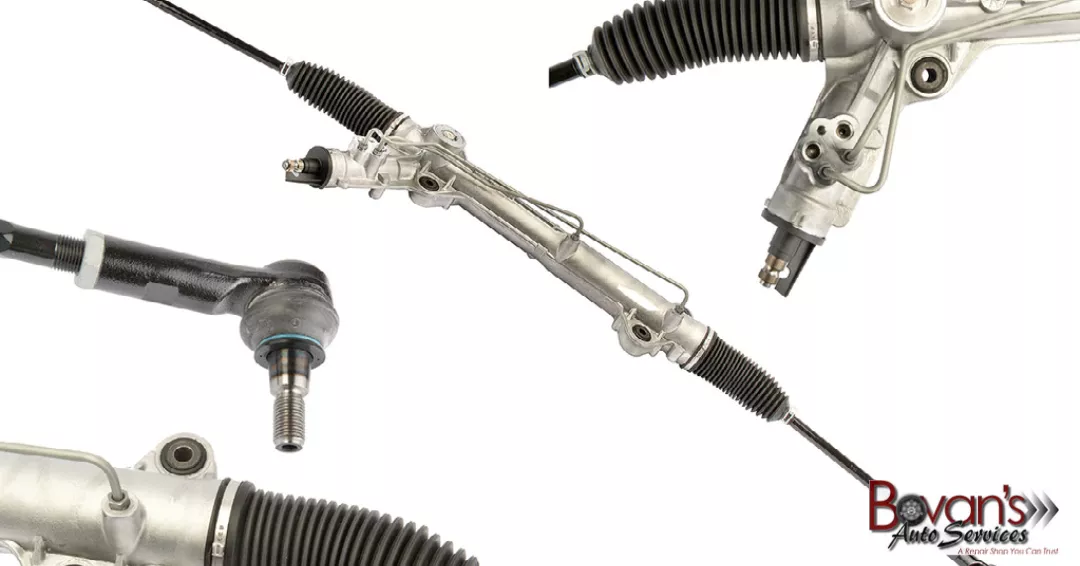
What is a Steering Rack and Pinion? | Bovan's Auto Services
What is a Steering Rack and Pinion?
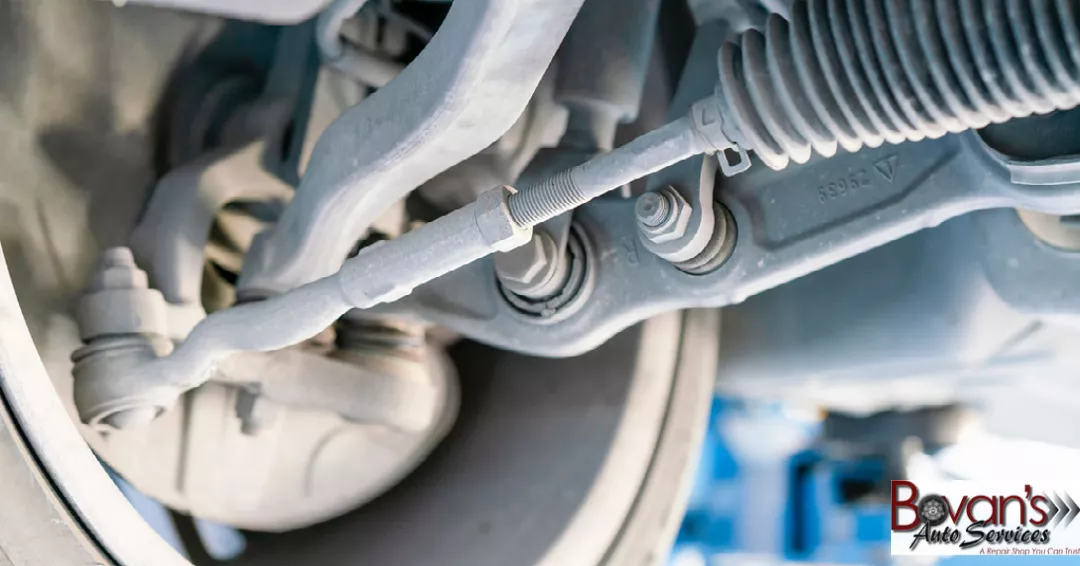
The steering rack and pinion is a critical part of your vehicle’s steering system. It converts the turning of your steering wheel into the side-to-side motion needed to steer your wheels. When this part fails, your control and safety are compromised.
Warning Signs That Your Rack and Pinion Is Failing
Because this part directly affects steering, symptoms of failure are noticeable. Here are four common signs to watch for:
1. Steering Wheel Vibrations
If you feel vibrations through your steering wheel, especially while driving, it could indicate worn bearings in the rack and pinion.
2. Leaking Fluid
Look for hydraulic fluid under your vehicle. The steering system relies on this fluid for lubrication and pressure. Leaks suggest a failing seal or crack in the housing.
3. Stiff Steering Wheel
If steering requires more effort, the rack may be worn or there could be a hydraulic pressure issue. Either way, you’ll want a technician to inspect it before it worsens.
4. Grinding Noises When Turning
Grinding or crunching when you turn the wheel could mean debris is trapped in the gears or that internal damage is occurring in the rack assembly.
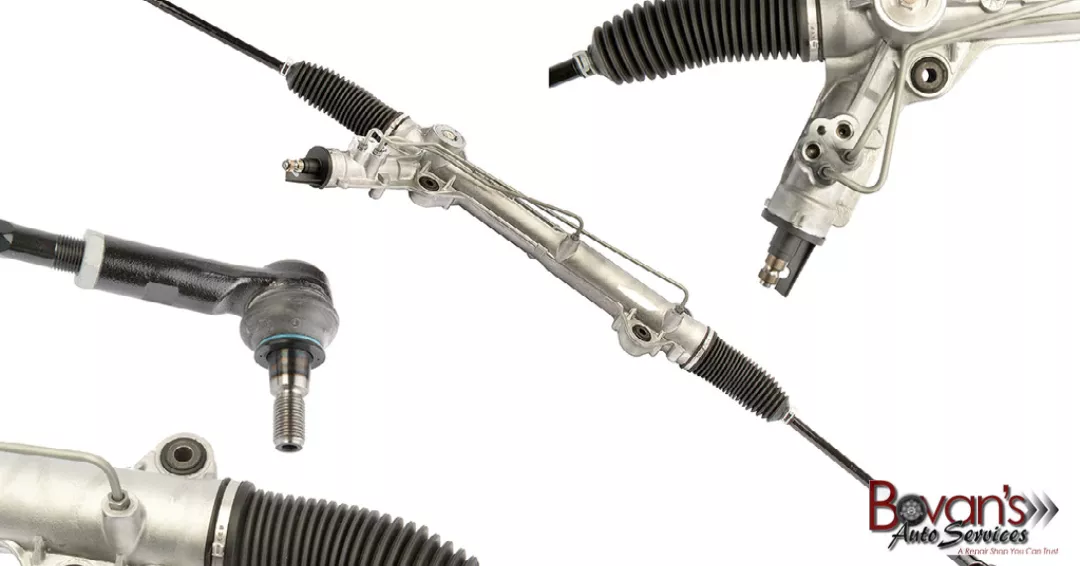
A failing rack and pinion affects safety and performance. If you notice any of these signs, call Bovan’s Auto Services at 201‑840‑5133, schedule an appointment online, or stop by at 619 Gorge Road, Cliffside Park, NJ.
02/09/2024Read more
Request an Appointment
Let us know how we can help you. Schedule your appointment online.
We are a Digital Shop
The Bovan's Auto Services technicians use the latest technology to not only tell you if there are any issues with your vehicle, but show you. If we uncover an issue the photo will be e-mailed to you for your records. At the end of every visit you will receive a detailed report regarding the general health of your vehicle. Our #1 goal is to keep you safe on the road.
Read more